Politics & Power
A Glorious Dawn: HH’s Ascendancy and the Dawn of a New Hope in Zambia
Recent indicators suggest gradual economic stabilization, with moderated inflation, improved foreign exchange inflows, and renewed engagement with international partners.

Published
4 months agoon
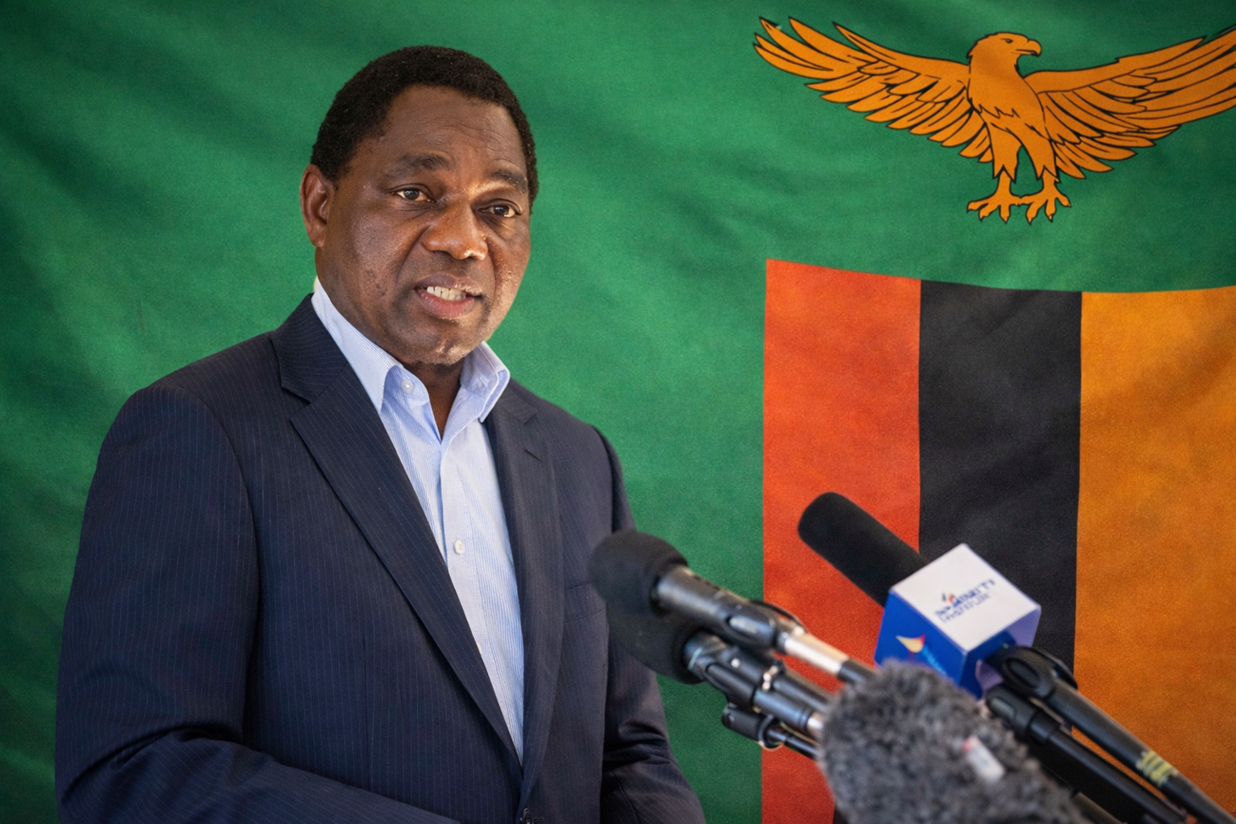
Zambia has undergone notable political and economic changes since President Hakainde Hichilema assumed office in August 2021, following a general election that marked a shift in leadership after nearly a decade. His administration inherited an economy under pressure, characterized by high public debt, limited fiscal space, and weakened investor confidence.
Economic Context at the Start of the Administration
At the time of the transition, Zambia was facing the effects of a sovereign debt default declared in 2020. Inflation was elevated, foreign exchange reserves were low, and the national currency had experienced significant depreciation. Public debt levels constrained government spending, particularly in social services and infrastructure.
One of the administration’s first priorities was re-engagement with international financial institutions. This led to the approval of a $1.3 billion Extended Credit Facility by the International Monetary Fund in 2022, aimed at supporting fiscal consolidation, restoring macroeconomic stability, and strengthening public financial management.
Debt Restructuring and International Engagement
Debt restructuring has remained central to Zambia’s recovery strategy. In 2023, Zambia reached an agreement with official bilateral creditors under the G20 Common Framework, covering approximately $6.3 billion in debt, including obligations to major lenders such as China.
The agreement provided extended repayment timelines and reduced immediate debt service obligations. Authorities stated that this restructuring was intended to create fiscal space for priority sectors such as health, education, and infrastructure, while maintaining long-term debt sustainability.
Zambia’s debt negotiations have been closely observed internationally, as they represent one of the most advanced cases under the G20 debt restructuring framework.
Domestic Reforms and Public Spending
Within the country, the government increased allocations to the Constituency Development Fund (CDF), raising annual funding per constituency from previous levels to over K28 million. The policy aims to decentralize development and enable communities to identify and implement local projects.
Projects funded through CDF allocations have included school infrastructure, health facilities, skills training initiatives, and community development programs. Oversight and implementation capacity at the local level remain an ongoing focus for authorities.
Business Environment and Economic Activity
The administration has introduced policy measures intended to improve the business environment, including subsidy reforms, greater transparency in public procurement, and efforts to stabilize the exchange rate. Zambia’s mining sector, particularly copper production, has shown signs of recovery, supported by improved global prices and renewed investor interest.
Support programs targeting micro, small, and medium-sized enterprises have been presented as part of a broader employment and economic inclusion strategy, although access to financing remains a challenge for many informal businesses.
Current Economic Outlook
Recent indicators suggest gradual economic stabilization, with moderated inflation, improved foreign exchange inflows, and renewed engagement with international partners. However, challenges persist, including high living costs, unemployment pressures, climate-related risks, and the need to translate macroeconomic reforms into measurable improvements in household welfare.
The government continues to focus on completing debt restructuring with private creditors and sustaining fiscal reforms, as Zambia seeks to consolidate recovery and maintain economic stability.

You may like


Zambia’s Economic Policy Around Chinese Yuan Mining Taxes
-
Uganda at a Crossroads: Museveni’s Continuing Rule and the Fight for Change
-
Why The U.S. Fighter Jet Shot Down the Iranian Drone
-
Building the Future: Exploring the Evolution of Housing in South Africa
-
Celebrating Independence: A Journey through the History of the United States
-
African Leaders’ Peace Initiatives Hit Roadblock as Ukraine Rejects Russian Peace Talks