
Opinion & Analysis
Charlie Chaplin: The Enduring Legacy of Comedy and its Influence on African Artists
Charlie Chaplin and Sembène Ousmane both worked in distinct cultural and cinematic contexts, but their works share some themes.

Published
1 month agoon
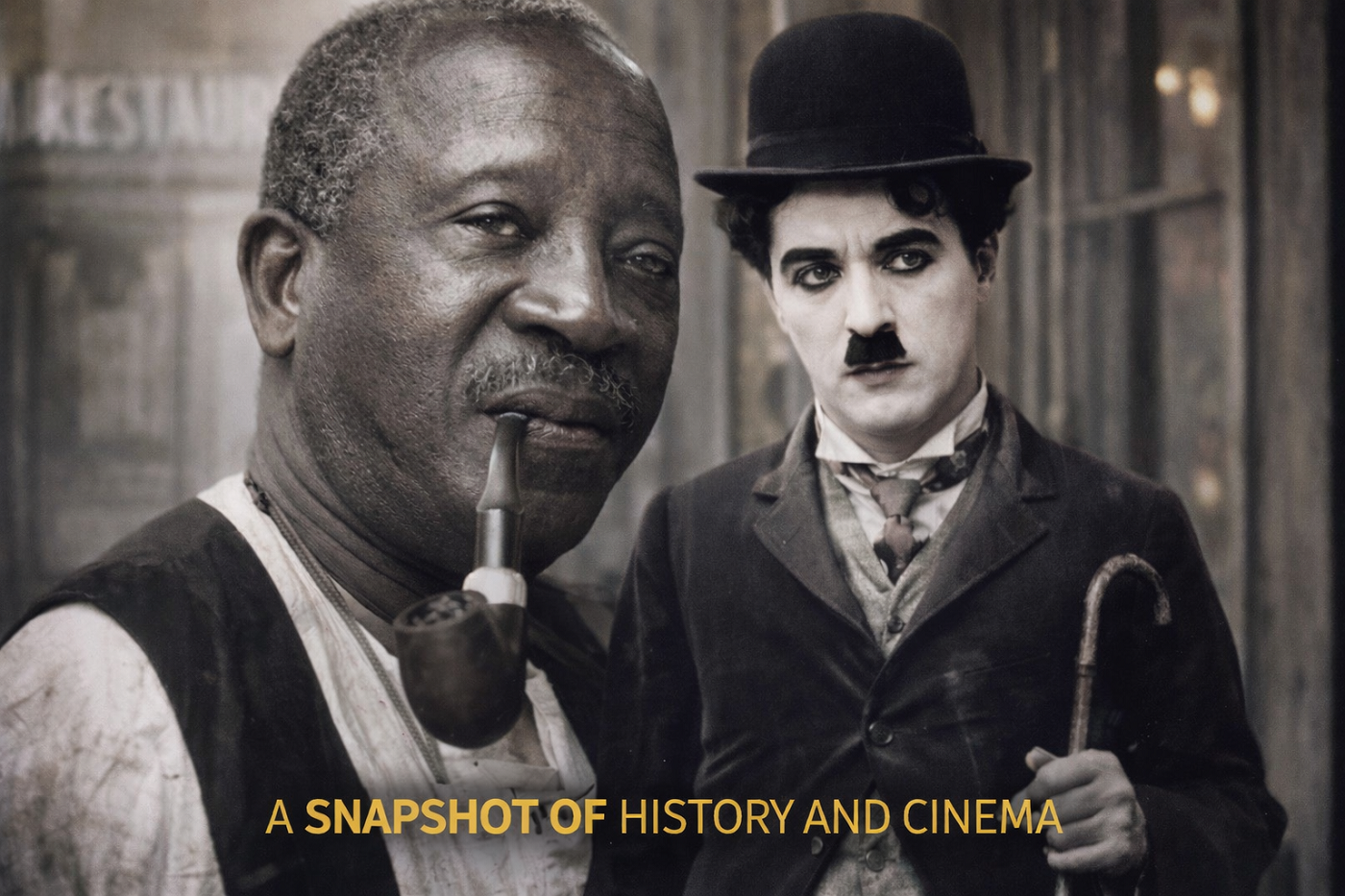
Charlie Chaplin, the iconic comedic genius, undoubtedly left an indelible mark on the world of entertainment and continues to inspire audiences across the globe, including in Africa. His unique brand of comedy, characterized by physical humor and heartfelt storytelling, has transcended cultural boundaries and resonated with people from diverse backgrounds.
In Africa, where the power of storytelling and humor has always been deeply ingrained in the fabric of various cultures, Charlie Chaplin’s work found a receptive audience. His silent films, such as “The Kid,” “City Lights,” and “Modern Times,” showcased universal themes of resilience, hope, and the triumph of the human spirit over adversity.
Chaplin’s “tramp” character, with his bowler hat, cane, and oversized clothes, symbolized the struggles of the working class and the downtrodden.
In many African countries, where socio-economic challenges have been a part of history, the “tramp” character’s resilience and ability to find humor in difficult circumstances resonated deeply with the audience.
While Charlie Chaplin’s influence extends far and wide, his impact on the African continent can be seen through the work of notable individuals who have drawn inspiration from his comedic style and storytelling techniques. In Senegal, one such figure is Sembène Ousmane, often referred to as the “father of African cinema.” Sembène, a prolific filmmaker and writer, incorporated elements of Chaplin’s physical comedy and social commentary in his films, which tackled important issues such as colonialism, social inequality, and cultural identity.
This is just one example of individuals who have been influenced by Charlie Chaplin’s work in specific African contexts. Their contributions have played a significant role in shaping the comedic and storytelling traditions in Africa. By drawing inspiration from Chaplin’s timeless comedy, Sembène have added his own cultural nuances, creating a rich tapestry of African humor that reflects the unique experiences and aspirations of the African community.
Charlie Chaplin and Sembène Ousmane both worked in distinct cultural and cinematic contexts, but their works share some themes. Due to their excellent societal observations, both directors frequently used humor and satire in their films to provide social commentary. It’s crucial to remember that they had different techniques, styles, and cultural viewpoints.
A pioneer of silent film and a master of physical humor, Charlie Chaplin tackled social issues and injustices in his works, especially in the early 20th century. Chaplin frequently criticized the effects of dictatorship, poverty, and industrialization in his works.
On the flip side, Sembène Ousmane became a significant character in African film, concentrating on modern and post-colonial problems in Senegal and the larger African environment. Cultural conflicts, social injustice, colonialism, and neo-colonialism were among the subjects he addressed in his films.
Despite having different specific influences, both directors were dedicated to using film as a potent social criticism tool. Although Chaplin has had a significant impact on film across a range of movements and styles, it isn’t made clear that Chaplin had a direct influence on Sembène Ousmane’s works. Each director’s distinct cultural upbringing and personal issues influenced the stories they told in their films.
Mr. Chaplin’s ability to inspire artists and entertainers across the African continent demonstrates the universal appeal of his comedic genius. Through his films and timeless characters, he has left an enduring legacy that continues to resonate with people from all walks of life, transcending borders and cultures.
Moreover, Chaplin’s ability to use comedy to convey profound social commentary also struck a chord with Africans. His satirical take on modern society and the human condition, as seen in “Modern Times,” showcased the struggles of industrialization and the dehumanizing effects of technology and mass production. These themes had parallels in the African context, where the impact of colonialism, modernization, and globalization has been deeply felt.
Furthermore, Charlie Chaplin’s work influenced and inspired African filmmakers and comedians, who recognized the power of humor as a tool for social change and commentary. As African cinema and comedy scenes evolved, elements of Chaplin’s physical comedy and storytelling techniques found their way into the work of African artists, creating a unique fusion of influences.
Charlie Chaplin’s comedic brilliance and profound storytelling have indeed inspired many Africans. His ability to transcend cultural barriers and connect with audiences on a human level made his work universally relevant, and his influence can be seen in the African comedic and storytelling traditions that continue to thrive today.

You may like


From Humble Beginnings to Global Superstar – WizKid’s Journey of Success, Love, and Luxury
-
Pop Phenoms: The Scorching Rise of 7 Young South African Musicians Who Set the Stage Ablaze
-
Celina Powell’s Viral Video With Offset Rekindles Controversy Around Her Past Claims and Online Drama
-
South African Music Star Makhadzi Stable and Recovering After Car Accident
-
From Adversity to Billionaire Success – Tyler Perry’s Journey of Perseverance
-
Nandi Madida: Igniting a Musical Revolution and Celebrating Africa’s Rich Artistry on Apple Music