Money & Economy
How South Africa Is Rethinking Urban Housing
South Africa’s housing sector is evolving as urbanisation, sustainability, technology and affordability reshape residential development. From energy-efficient homes and smart technology to mixed-use communities and innovative construction methods, several long-term trends are influencing how homes are designed and built across the country.

Published
4 months agoon
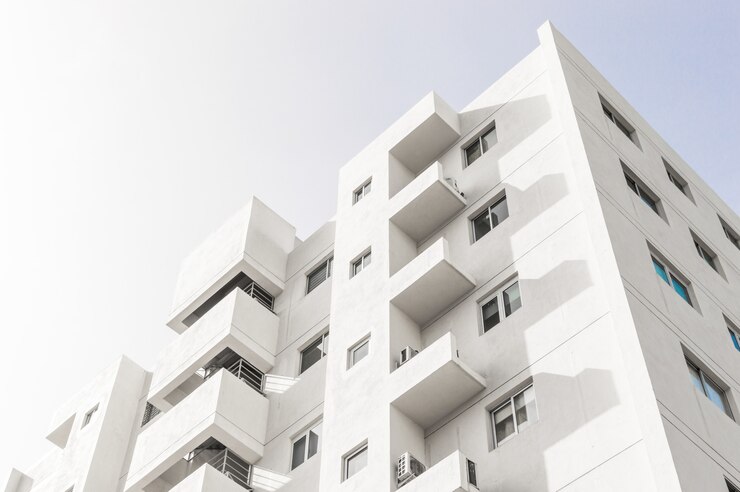
South Africa’s housing sector is undergoing significant transformation as rapid urbanisation, population growth, technological innovation and environmental concerns reshape how homes are planned, built and lived in. While the country continues to face challenges such as housing shortages and affordability, it is also embracing new approaches to residential development that prioritise sustainability, connectivity and community.
From energy-efficient homes and smart technologies to mixed-use developments and affordable housing initiatives, the future of housing is likely to be defined by a balance between innovation and inclusion.
Urban Growth Is Reshaping Housing Demand
South Africa has experienced steady urbanisation over the past several decades as people move to cities in search of employment, education and improved services. Metropolitan areas such as Johannesburg, Cape Town, Durban and Pretoria continue to attract growing populations, increasing demand for housing near economic opportunities.
This population shift has encouraged planners and developers to rethink traditional suburban expansion. Instead of building isolated residential neighbourhoods far from workplaces, greater emphasis is being placed on developments that bring homes, businesses and public services closer together.
Urban planning experts argue that better-designed cities can reduce travel times, improve access to employment and create more sustainable communities.
Affordable Housing Remains a National Priority
Providing adequate housing remains one of South Africa’s most significant development challenges.
Although government housing programmes have expanded access to home ownership for many households, demand continues to outpace supply in several parts of the country. Rising construction costs, increasing land prices and population growth have added further pressure to the housing market.
To address these challenges, developers are increasingly exploring alternative building methods, including modular and prefabricated construction. These approaches can reduce construction time, improve efficiency and lower costs without compromising structural quality.
Public-private partnerships and social housing programmes are also expected to remain important components of long-term housing policy, particularly in rapidly growing urban centres.
Sustainable Homes Are Becoming More Important
Energy security, water conservation and climate resilience are increasingly influencing residential construction across South Africa.
Growing awareness of environmental sustainability has encouraged architects and developers to incorporate features that reduce long-term operating costs while minimising environmental impact.
Modern residential developments increasingly include:
- Solar photovoltaic systems
- Solar water heating
- Rainwater harvesting
- Energy-efficient insulation
- Natural ventilation
- LED lighting
- Water-saving plumbing fixtures
These technologies not only reduce electricity and water consumption but also help homeowners manage rising utility costs.
As renewable energy technologies become more affordable, sustainable design is expected to become a standard feature of new housing developments rather than a specialised option.
Technology Is Transforming Modern Homes
Digital technology is changing how people interact with their homes.
Smart home systems now allow homeowners to control lighting, security cameras, alarms, appliances and energy usage through smartphones or voice-controlled assistants.
While advanced home automation remains concentrated in higher-income developments, many affordable technologies—including smart security systems, Wi-Fi-enabled lighting and remote monitoring—are becoming increasingly accessible.
As internet connectivity continues to improve, analysts expect digital technologies to play a growing role in residential living across South Africa.
Mixed-Use Developments Are Redefining Communities
Modern housing increasingly extends beyond the home itself.
Many developers are designing mixed-use communities that combine residential units with retail centres, office space, schools, healthcare facilities and recreational areas.
The objective is to create neighbourhoods where residents can live, work, shop and access essential services without travelling long distances.
Such developments can reduce traffic congestion, encourage walking and public transport, and strengthen local economies by supporting nearby businesses.
This integrated approach is becoming increasingly common in major South African cities where land availability is limited and infrastructure investment is expanding.
Making Better Use of Existing Buildings
Not all future housing will involve new construction.
Across several South African cities, older commercial and industrial buildings are being renovated for residential use. This process—often referred to as adaptive reuse—helps preserve architectural heritage while creating additional housing in established urban areas.
Former warehouses, office buildings and factories can often be converted into apartments, student accommodation or mixed-use developments with significantly lower environmental impact than complete demolition and reconstruction.
Adaptive reuse also contributes to urban regeneration by revitalising neglected districts and attracting new investment.
Designing Homes for Every Stage of Life
Housing needs continue to evolve as populations change.
Architects and planners are increasingly adopting universal design principles that make homes accessible to people of all ages and abilities.
Features such as step-free entrances, wider doorways, accessible bathrooms and flexible interior layouts improve usability not only for people living with disabilities but also for older adults and growing families.
Inclusive design is increasingly recognised as an important element of sustainable urban development.
Building Stronger Communities
Modern housing policy increasingly recognises that successful communities require more than buildings alone.
Access to reliable transport, quality schools, healthcare, parks, public spaces and digital connectivity all contribute to neighbourhood quality of life.
Developments that encourage community interaction through shared recreational areas, pedestrian-friendly streets and public amenities are increasingly viewed as supporting healthier and more resilient communities.
Housing, therefore, is becoming part of a broader conversation about urban planning rather than simply residential construction.
Challenges That Still Need Solutions
Despite encouraging progress, several challenges remain.
Housing affordability continues to affect many households, particularly first-time buyers. Infrastructure pressures, electricity reliability, financing constraints and construction costs remain significant considerations for both developers and policymakers.
Climate change is also expected to influence future building standards, requiring homes that are more resilient to extreme weather conditions while using resources more efficiently.
Successfully addressing these issues will require continued collaboration between government, private developers, financial institutions and local communities.
The Bigger Picture
The future of housing in South Africa extends far beyond architecture. It reflects broader questions about economic development, environmental sustainability, social inclusion and quality of life.
As cities continue to expand and technology reshapes everyday living, housing will increasingly serve as a foundation for healthier, more connected and more resilient communities.
Although challenges remain, the direction of the sector suggests a gradual shift toward homes that are not only more affordable and energy efficient but also better suited to the changing needs of modern South Africans.
The success of that transition will depend on thoughtful planning, continued investment and policies that ensure the benefits of innovation are accessible to people across all income levels.

You may like


How to Deliver More Engaging Business Presentations
-
ECOWAS at 50: Can West Africa’s Most Ambitious Regional Project Survive a New Era of Division?
-
Undocumented Migration in Southern Africa: Why the Debate Extends Far Beyond Borders
-
Rwanda: Three Decades After the Genocide
-
The Life and Legacy of Kenneth Kaunda
-
How Global Conflicts Affect African Economies