In Focus
How Alcohol Quietly Changes the Body Before Many People Notice
Hospitals treat alcohol-related injuries every day. Police respond to alcohol-fuelled violence. Employers lose productivity through absenteeism and workplace accidents.

Published
2 months agoon
‘I Never Thought It Would Happen to Me.’ For many people, the first drink is tied to a happy memory.
It may be a toast at a wedding, a celebration after passing an exam or a quiet drink shared with friends after work. Across cultures, alcohol has long been associated with hospitality, celebration and relaxation.
Yet public health experts warn that alcohol is also one of the world’s leading preventable causes of disease and premature death. According to the World Health Organization (WHO), harmful alcohol use contributes to around three million deaths every year and is linked to more than 200 diseases, injuries and health conditions.
Behind those statistics are millions of personal stories—people who never imagined an occasional drink would gradually become a serious health problem.
When Social Drinking Becomes a Daily Routine
Doctors who specialise in addiction say alcohol dependence rarely develops overnight. Instead, it often emerges through small, almost unnoticed changes in behaviour.
A drink reserved for weekends slowly becomes part of the evening routine. Celebratory drinking becomes a way of coping with stress. Over time, the body develops tolerance, meaning larger amounts of alcohol are needed to produce the same effects.
Researchers at the U.S. National Institute on Alcohol Abuse and Alcoholism (NIAAA) explain that repeated drinking alters the brain’s reward system. Chemicals involved in pleasure, motivation and decision-making begin responding differently, making alcohol cravings increasingly difficult to resist.
This is one reason why alcohol dependence is recognised as a medical condition rather than simply a lack of willpower.
The Body Often Suffers Long Before Symptoms Appear
One of alcohol’s most damaging characteristics is that many of its effects develop silently.
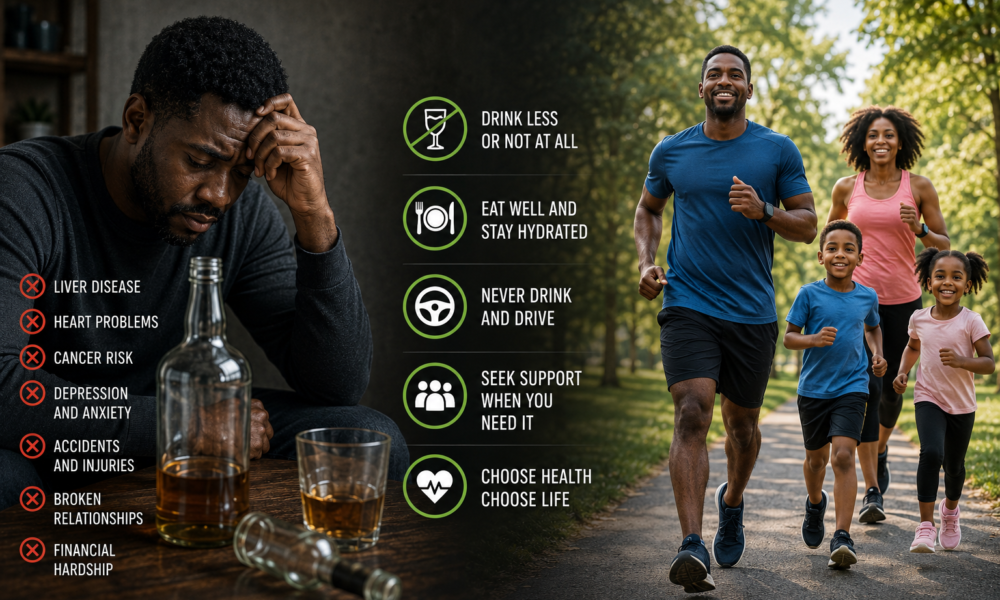
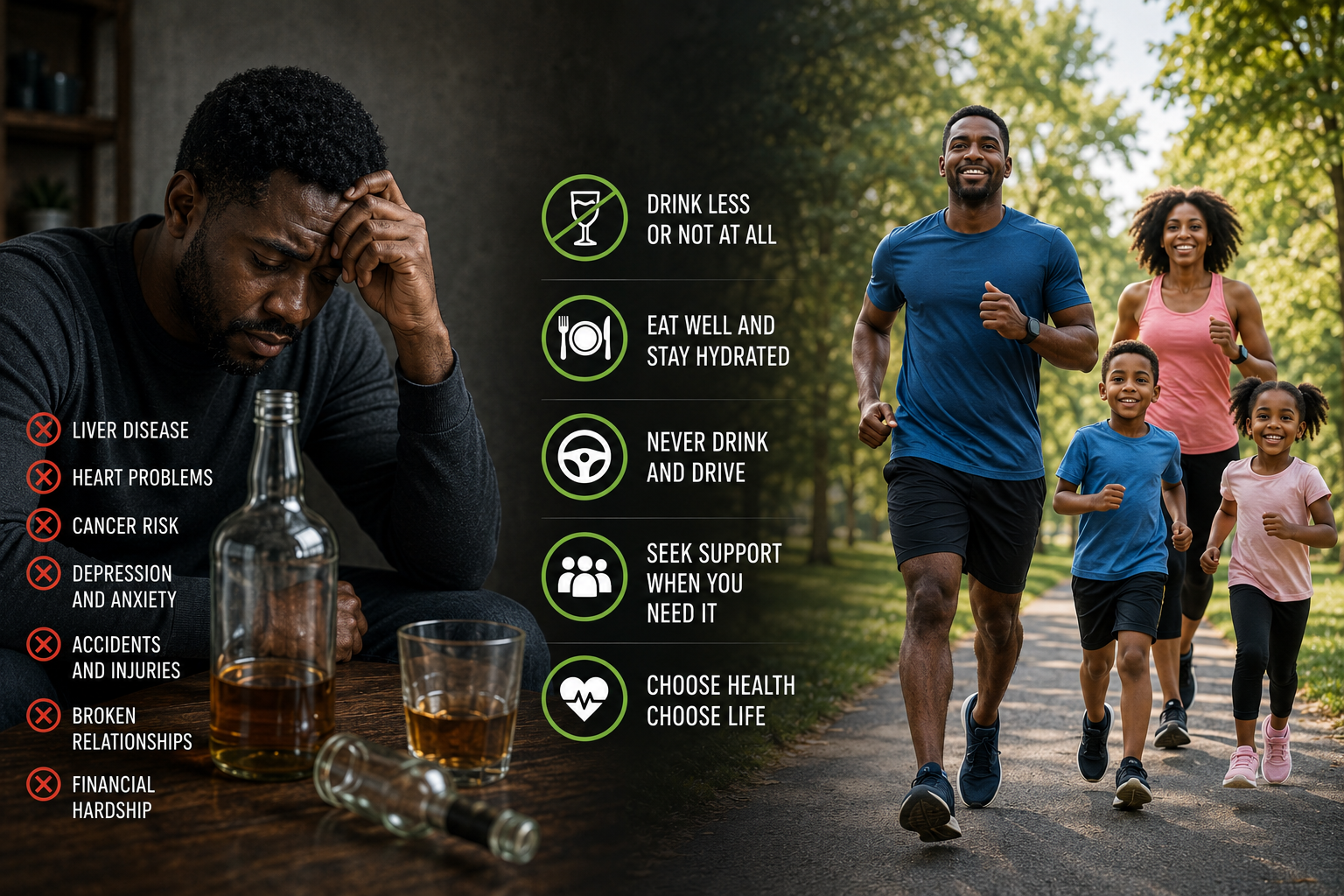
The liver, responsible for filtering toxins from the bloodstream, is particularly vulnerable. Continuous heavy drinking can lead to fatty liver disease, alcoholic hepatitis and eventually cirrhosis—a condition in which healthy liver tissue is permanently replaced by scar tissue.
The U.S. National Institute of Diabetes and Digestive and Kidney Diseases (NIDDK) notes that early liver disease often causes few or no symptoms, meaning significant damage may already have occurred by the time jaundice, abdominal swelling or severe fatigue develops.
Alcohol also places considerable strain on the cardiovascular system. Regular excessive drinking has been linked to high blood pressure, weakened heart muscle, irregular heart rhythms and an increased risk of stroke.
The Brain Is One of Alcohol’s Main Targets
Alcohol affects far more than physical health.
It interferes with communication between brain cells, reducing concentration, slowing reaction times and impairing judgement. Long-term heavy drinking can contribute to memory problems and difficulty learning new information.
Mental health professionals also recognise a close relationship between alcohol misuse, depression and anxiety. Although many people drink to relieve stress, alcohol can worsen symptoms over time by disrupting normal brain chemistry and sleep patterns.
A Cancer Risk Many People Do Not Realise Exists
One of the lesser-known health risks associated with alcohol is cancer.
The International Agency for Research on Cancer (IARC), part of the World Health Organization, classifies alcoholic beverages as Group 1 carcinogens, placing them in the same evidence category as tobacco smoke and asbestos. This classification reflects the strength of scientific evidence—not the level of risk.
Medical research has linked alcohol consumption to cancers of the mouth, throat, oesophagus, liver, breast and bowel. The risk generally increases with the amount of alcohol consumed, although studies suggest that no level of drinking is entirely free of risk.
When Drinking Becomes a Medical Emergency
Excessive drinking over a short period can result in alcohol poisoning, a life-threatening condition that requires immediate medical treatment.
As alcohol levels in the bloodstream rise, the brain begins shutting down functions responsible for breathing, consciousness and body temperature.
Emergency physicians advise seeking urgent medical care if someone cannot be awakened, is breathing slowly or irregularly, has repeated vomiting while unconscious, suffers seizures or develops cold, bluish skin. Delaying treatment can be fatal.
Alcohol’s Hidden Cost to Families and Communities
The effects of harmful drinking extend well beyond the individual.
Families may experience emotional distress, financial hardship and relationship breakdown. Children living in households affected by alcohol misuse often face greater instability and may experience long-term emotional consequences.
Communities also bear significant costs. Healthcare systems treat alcohol-related illnesses and injuries every day, while employers lose productivity through absenteeism and workplace accidents. Road traffic crashes involving impaired drivers continue to claim thousands of lives worldwide each year.
Recovery Is Possible
Despite these challenges, addiction specialists emphasise that recovery is achievable.
Successful treatment often combines medical care, psychological counselling, peer-support programmes and the encouragement of family members. Many people who once believed they would never stop drinking go on to rebuild healthy relationships, return to work and significantly improve their physical health.
The World Health Organization encourages anyone concerned about their drinking to seek professional advice early, before serious complications develop.
Every Positive Choice Matters
Reducing alcohol consumption can begin improving health sooner than many people realise. Better sleep, lower blood pressure, improved concentration and healthier liver function are among the changes doctors commonly observe after people reduce or stop drinking, particularly before irreversible damage has occurred.
For anyone worried about their alcohol use, healthcare professionals stress one important message: asking for help is not a sign of weakness. It is often the first step towards protecting both personal health and the well-being of those who depend on you.
Alcohol may be a familiar part of social life, but understanding its long-term effects can help people make informed choices. Sometimes, a single decision—to drink less, seek advice or support someone else—can change the course of a life.