Tech & Innovation
How Netflix Changed the Way the World Watches Entertainment
From its beginnings as a DVD rental company to becoming one of the world’s leading streaming platforms, Netflix has transformed how people watch films and television. Its investment in original content, mobile streaming and digital technology has reshaped the entertainment industry and influenced viewing habits around the globe.

Published
2 months agoon
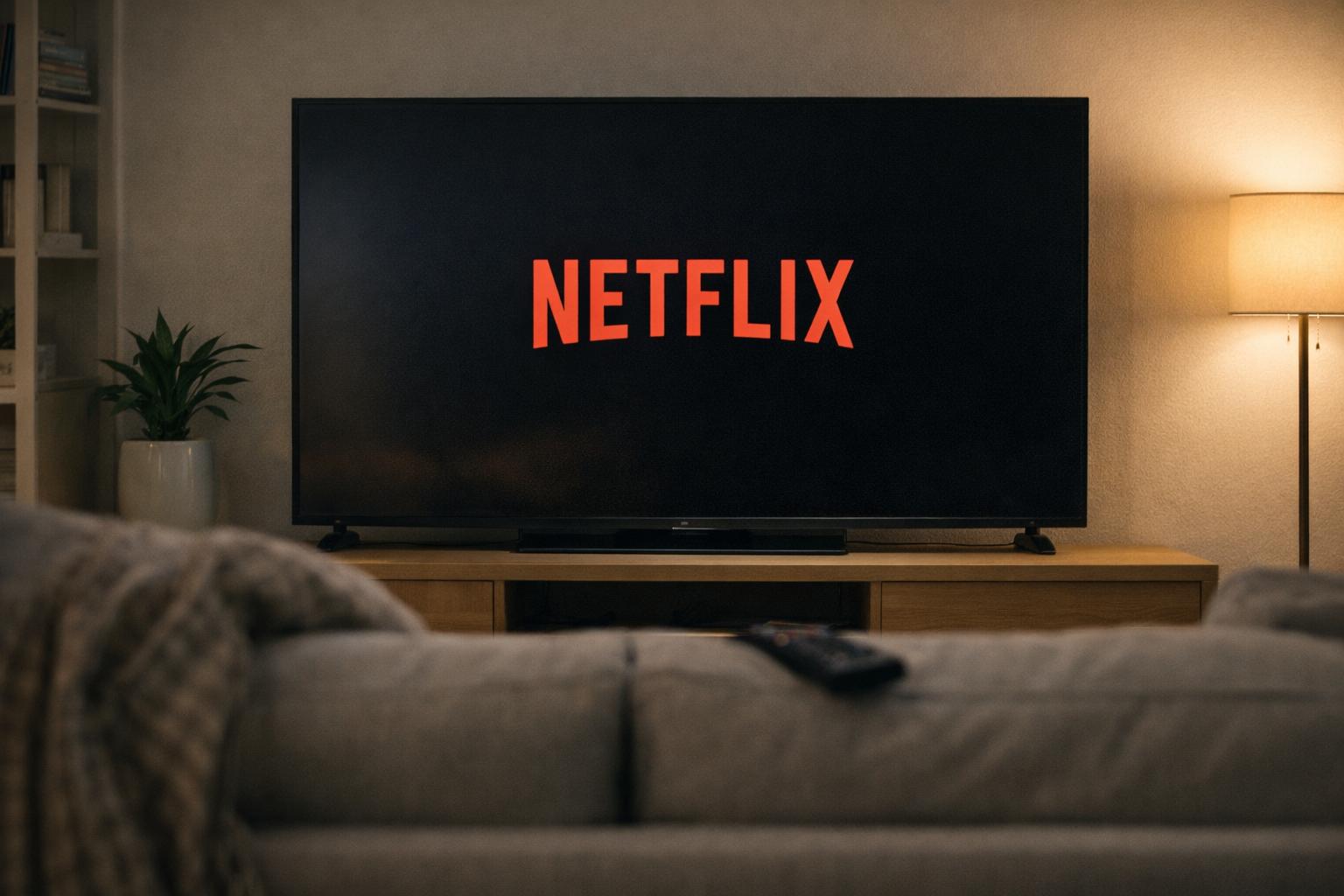
Few companies have transformed the entertainment industry as profoundly as Netflix.
What began in 1997 as a DVD-by-mail rental service has evolved into one of the world’s largest streaming platforms, fundamentally changing how films, television series and documentaries are produced, distributed and consumed.
Today, Netflix operates in more than 190 countries and has become one of the defining companies of the digital entertainment era.
From DVDs to Digital Streaming
Netflix was founded by Reed Hastings and Marc Randolph in California at a time when home entertainment was dominated by physical DVDs.
Its original business model allowed customers to rent DVDs online and receive them by post, offering an alternative to traditional video rental stores.
A decade later, the company introduced online streaming, allowing subscribers to watch films and television programmes instantly over the internet.
The decision fundamentally reshaped the global entertainment industry.
The Mobile Revolution
One of Netflix’s biggest advantages came as smartphones became increasingly common.
Rather than relying only on televisions or desktop computers, viewers could now watch their favourite programmes anywhere using mobile devices.
Industry analysts observed rapid growth in Netflix’s mobile business during the late 2010s.
According to Sensor Tower, Netflix became the world’s highest-grossing non-gaming mobile application during the second quarter of 2017, reflecting the rapid global adoption of mobile streaming.
That milestone illustrated how smartphones were becoming one of the primary ways people consumed digital entertainment.
Investing in Original Content
Netflix’s success has not been driven by technology alone.
The company invested heavily in original programming, producing internationally recognised series such as Stranger Things, The Crown, Squid Game, Wednesday and numerous award-winning documentaries and films.
Original productions reduced dependence on licensed content while allowing Netflix to compete directly with traditional television networks and film studios.
The company’s growing investment in productions from Africa, Asia, Europe and Latin America has also broadened its international appeal.
Competition Changes the Industry
Netflix’s success encouraged major entertainment companies to launch their own streaming platforms.
Services including Disney+, Max, Apple TV+, Amazon Prime Video and Paramount+ have transformed the streaming market into one of the most competitive sectors within the entertainment industry.
Consumers now have access to an unprecedented variety of digital content, while production companies increasingly compete through exclusive programming rather than traditional broadcasting schedules.
Adapting to a Changing Market
As competition intensified, Netflix expanded its business strategy.
In addition to subscription-based plans, the company introduced advertising-supported options in selected markets, giving consumers more flexibility while creating additional revenue streams.
The company has also expanded into mobile gaming, live sporting events and interactive entertainment as it seeks to diversify beyond traditional video streaming.
Industry analysts view these developments as part of Netflix’s strategy to remain competitive in an increasingly crowded market.
Technology Behind the Platform
Netflix has also influenced technological innovation.
Its recommendation algorithms use artificial intelligence and machine learning to suggest content based on viewing habits, helping users discover films and series that match their interests.
The company has invested extensively in cloud computing, video compression technologies and content delivery networks to improve streaming quality across different internet speeds and devices.
Many of these innovations have influenced broader developments across the streaming industry.
The streaming industry continues to evolve as audiences consume entertainment across televisions, smartphones, tablets and connected devices.
Artificial intelligence, personalised recommendations, live programming and interactive content are expected to play increasingly important roles in the future of digital entertainment.
While competition has become more intense than ever, Netflix remains one of the companies that fundamentally changed how people access films and television around the world.
Its success demonstrates that technological innovation, original storytelling and changing consumer habits can reshape an entire industry.
Whether through mobile streaming, global content production or digital distribution, Netflix’s influence on modern entertainment continues to extend far beyond the screen.

You may like


Is Computer Science Still Worth Studying in the Age of AI?
-
Artificial Intelligence in Africa: Can Emerging Technology Help Solve the Continent’s Biggest Challenges?
-
Why Home Servers Are Making a Comeback in the Cloud Era
-
Africa’s Digital Transformation: How Technology Is Reshaping the Continent
-
Will AI Replace Websites?