
Analysis
Studying in Australia: A Guide to Scholarships Available for African Students
Australian universities and the Australian Government offer a range of scholarship opportunities for international students, including applicants from many African countries. Understanding how these programmes work, their eligibility requirements and the application process can help prospective students prepare stronger applications and make informed decisions about studying in Australia.

Published
3 months agoon
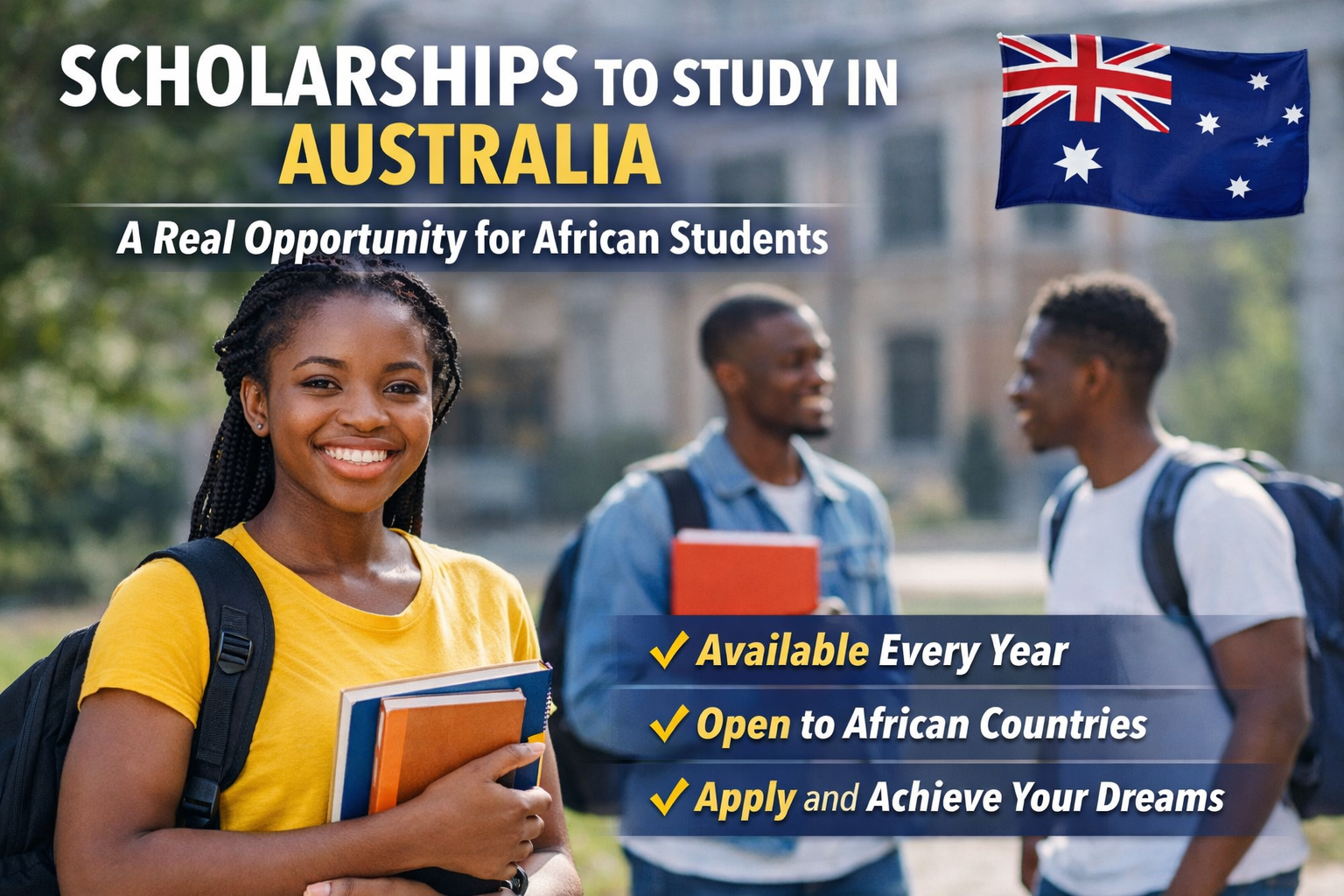
For many students across Africa, earning a university degree in Australia can appear financially out of reach. Tuition fees, travel costs and living expenses often create the impression that studying abroad is only possible for a small number of people.
In reality, Australian universities and the Australian Government offer a range of scholarship programmes designed to help international students, including applicants from many African countries. While competition can be strong, education specialists say that understanding how the system works—and preparing applications carefully—can significantly improve a student’s chances of success.
Why Australia Offers International Scholarships
Australia has become one of the world’s leading destinations for international education, attracting students from more than 190 countries.
According to the Australian Government’s Study Australia programme, international students contribute to research, innovation, cultural exchange and the development of long-term partnerships between Australia and other nations. Scholarship programmes are therefore designed not only to support talented students but also to strengthen educational and professional links with partner countries.
Many scholarship opportunities are available each year, although eligibility varies depending on the country, university, level of study and academic discipline.
Australia Awards Scholarships
Among the best-known opportunities are the Australia Awards Scholarships, funded by the Australian Government through the Department of Foreign Affairs and Trade (DFAT).
The programme supports students from eligible developing countries by providing funding for undergraduate or postgraduate study at participating Australian institutions.
Depending on the scholarship, recipients may receive tuition fees, return air travel, health insurance, a living allowance and academic support throughout their studies.
The programme also encourages graduates to apply the knowledge and skills they acquire in Australia to support development in their home countries.
Scholarships Offered by Australian Universities
In addition to government-funded programmes, many Australian universities provide their own scholarships for international students.
These may include academic merit scholarships, research scholarships, faculty-specific awards and financial assistance for particular courses or regions.
Some universities automatically assess applicants for scholarships when they apply for admission, while others require a separate scholarship application. Requirements differ between institutions, making it important for prospective students to check official university websites before applying.
English Language Requirements
Most Australian higher education institutions require international applicants to demonstrate English-language proficiency.
Accepted examinations commonly include IELTS Academic, TOEFL iBT, PTE Academic and Cambridge C1 Advanced, although specific score requirements vary depending on the university and programme of study.
The Australian Government’s Department of Home Affairs publishes the list of English-language tests accepted for student visa purposes, while universities may set their own admission standards.
Preparing a Strong Application
Education advisers generally recommend beginning the application process well in advance of admission deadlines.
Applicants are commonly asked to provide academic transcripts, qualification certificates, proof of English-language proficiency, a personal statement, letters of recommendation and, in some cases, a curriculum vitae or research proposal.
For research degrees and highly competitive scholarships, universities may also consider previous academic performance, leadership experience and evidence of community involvement.
Understanding the Student Visa Process
Students who receive an offer of admission and meet financial and other requirements may apply for Australia’s Student Visa (Subclass 500).
The Department of Home Affairs advises applicants to submit complete documentation and allow sufficient processing time before the intended start of their studies.
Because immigration requirements can change, prospective students are encouraged to rely on official government guidance rather than unofficial sources.
Points to Remember
Receiving a scholarship is never guaranteed, and selection can be highly competitive.
However, education experts recommend focusing on academic preparation, carefully following application instructions and applying for multiple suitable opportunities rather than relying on a single scholarship.
Prospective students should also verify that both the institution and the chosen course are registered on Australia’s Commonwealth Register of Institutions and Courses for Overseas Students (CRICOS) before accepting an offer.
Looking Ahead
Australia continues to invest in international education through government programmes and university-based scholarships that help students from around the world pursue higher education.
For African students with strong academic records and well-prepared applications, these opportunities can provide a pathway to internationally recognised qualifications and valuable professional experience.
The key is not simply finding a scholarship, but understanding the eligibility requirements, preparing thoroughly and relying on official information throughout the application process.