In Focus
The Lost Ark Mystery: What Excavations at Ancient Shiloh Are Revealing

Few objects have inspired as much fascination as the Ark of the Covenant. Revered in the Hebrew Bible as the sacred chest that held the stone tablets of the Ten Commandments, it has become the subject of centuries of religious tradition, archaeological inquiry and popular imagination. Yet despite countless theories about its fate, no confirmed trace of the Ark has ever been discovered.
Even so, archaeologists continue to search for clues—not necessarily to locate the Ark itself, but to better understand the world in which it once stood at the centre of Israelite worship.
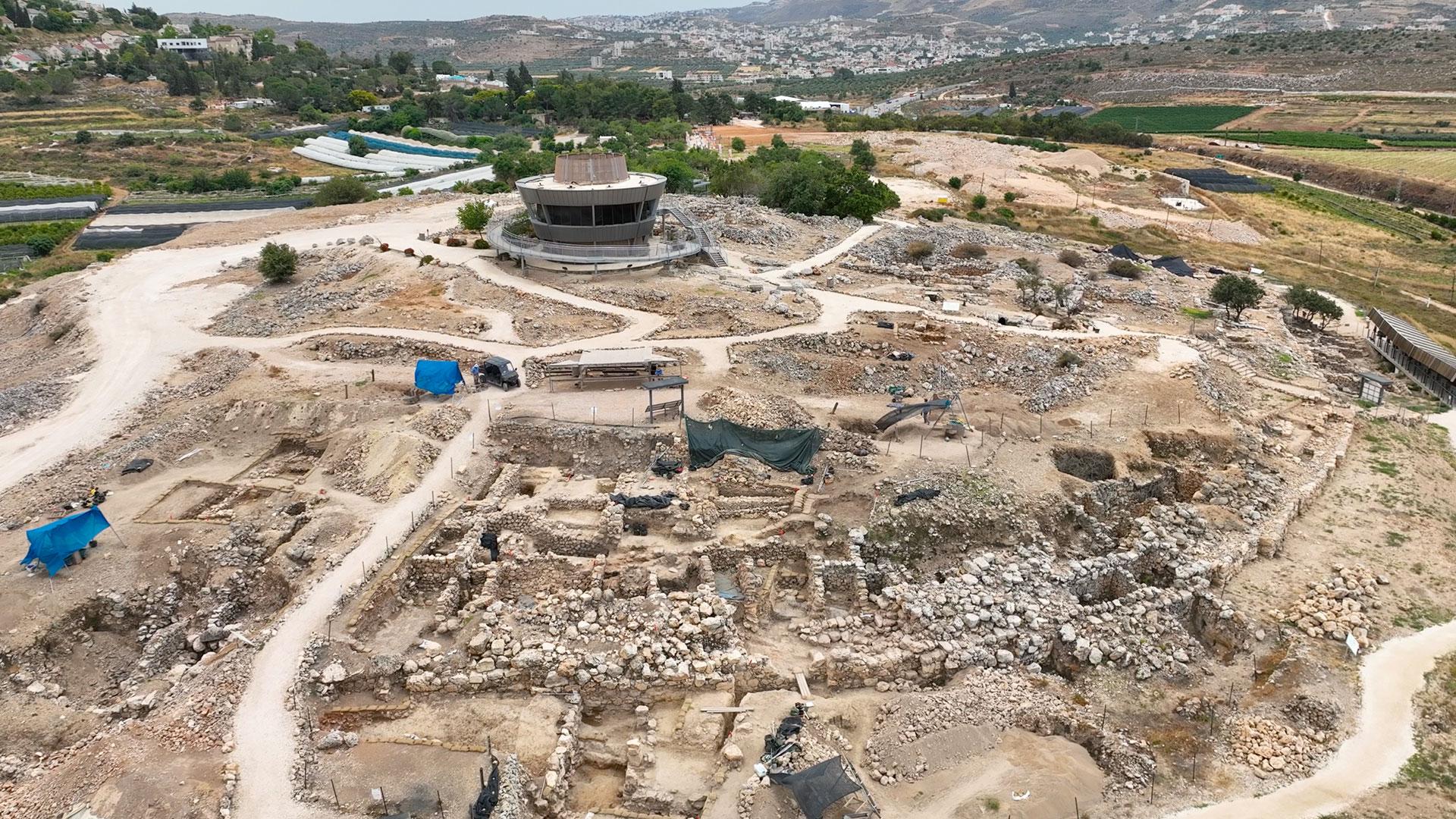
One place has drawn particular attention in recent years: Ancient Shiloh, known today as Tel Shiloh, in the central West Bank. According to the biblical Books of Joshua and Samuel, Shiloh served as Israel’s first major religious centre after the Israelites settled in Canaan. It was here, scripture says, that the Tabernacle—the portable sanctuary built during the Exodus—was established, making the site the spiritual heart of the nation for several centuries before Jerusalem assumed that role.
That biblical significance has made Shiloh one of the Middle East’s most closely studied archaeological sites.
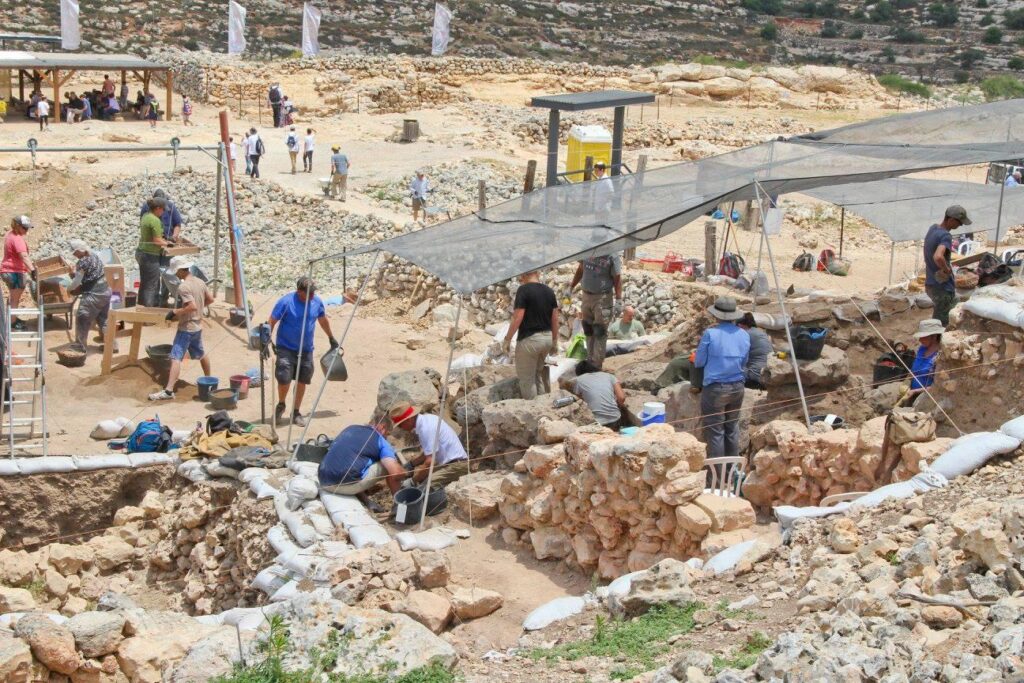
Excavations led by the Associates for Biblical Research (ABR) have uncovered evidence that researchers believe is helping to reconstruct what life at Shiloh may have looked like during the Iron Age. The discoveries do not prove where the Tabernacle stood, nor do they reveal the location of the Ark of the Covenant. Instead, they provide new information about a settlement whose importance is recognised in both archaeology and biblical tradition.
Among the most notable discoveries is a large Iron Age building whose scale has surprised researchers. Recent excavation seasons exposed additional walls, allowing archaeologists to reconstruct more of the structure’s original footprint. According to Dr Scott Stripling, director of the Tel Shiloh excavations, the newly uncovered sections make it easier to study the building’s design and consider the role it may have played within ancient Shiloh.
Researchers note that the building is aligned east to west and possesses proportions that invite comparison with biblical descriptions of the Tabernacle. However, archaeologists stress that architectural similarities alone cannot identify the structure as the sanctuary mentioned in scripture. Further excavation and analysis will be needed before stronger conclusions can be drawn.
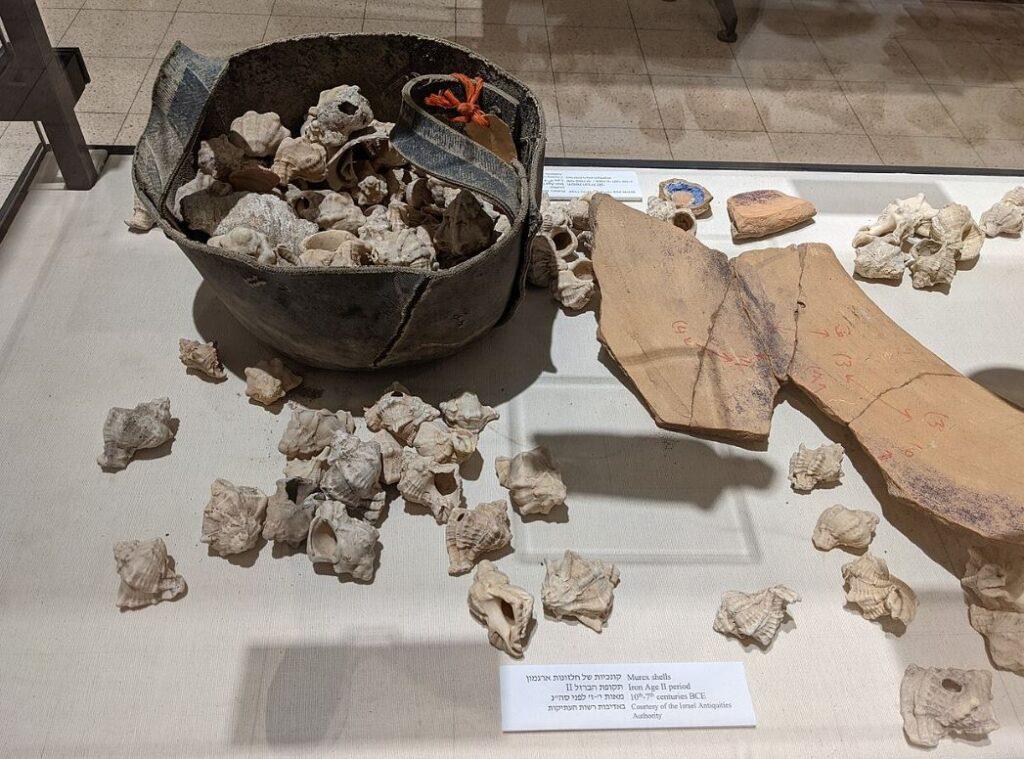
Elsewhere across the site, excavators have uncovered artefacts associated with ritual life, including ceramic pomegranates, altar horns and shells from the Mediterranean murex sea snail. In the ancient Near East, murex shells were prized for producing an expensive blue-purple dye traditionally linked with priestly garments described in the Hebrew Bible.
The latest discoveries also complement evidence unearthed during previous excavations. More than 100,000 animal bones—mostly from sheep, goats and cattle—have been recovered from the site. Zooarchaeologists studying the remains observed that many of the bones came from the right side of the animals, an intriguing pattern because the Book of Leviticus describes portions from the right side being reserved for certain priestly offerings. While the evidence cannot verify biblical events, it provides insight into sacrificial practices that may have taken place at the settlement.
Shiloh’s importance extends well beyond the question of the Ark. According to the biblical narrative, it was here that Joshua oversaw the allocation of land among the tribes of Israel. The city later became the home of Eli, Israel’s high priest, and the place where the prophet Samuel spent his childhood before emerging as one of Israel’s most influential leaders.
One of the Bible’s most dramatic episodes also centres on Shiloh. The First Book of Samuel recounts how the Israelites carried the Ark of the Covenant from the sanctuary into battle against the Philistines, believing its presence would secure victory. Instead, the Ark was captured, and Eli’s sons, Hophni and Phinehas, were killed. When news reached Eli, scripture records that he fell backward from his seat at the city gate and died.
Recent excavations have uncovered parts of Shiloh’s northern fortification system, including what archaeologists describe as a bent-axis gate complex containing several rooms. Some researchers have suggested that these remains could correspond to the city gate mentioned in the biblical account of Eli’s death. Others caution that the evidence remains inconclusive, illustrating the challenge of linking archaeological remains directly with individual events described in ancient texts.
The site’s history stretches back even further than the Israelite period. Archaeologists recently uncovered three large Canaanite storage jars dating to centuries before the Israelites settled in the region. Inside were charred olives, wheat and lentils—remarkably preserved remains that offer a glimpse into everyday life in the Bronze Age. Scientists are using radiocarbon dating to establish a more precise chronology for these finds and better understand the sequence of occupation at the site.
For archaeologists, discoveries such as these are valuable because they help reconstruct the social, religious and economic history of one of the ancient Near East’s most important settlements. Rather than proving or disproving biblical accounts, they provide tangible evidence of the people, buildings and practices that shaped the world in which those narratives emerged.
The search for the Ark of the Covenant, however, remains unresolved. No excavation has produced the sacred chest described in the Bible, and no archaeological discovery has conclusively identified the location of the Tabernacle.
Yet each new season at Ancient Shiloh adds another piece to a much larger historical puzzle. Whether or not the Ark is ever found, the site continues to deepen scholars’ understanding of one of the most influential religious centres of the ancient world—and explains why the mystery of Shiloh continues to captivate historians, archaeologists and millions of believers alike.