In Focus
Trevor Noah: From Apartheid to Global Stardom
Born during apartheid in South Africa, Trevor Noah transformed personal experiences of discrimination, resilience and social change into a career that has made him one of the world’s most influential comedians and storytellers. From stand-up stages to international television, his journey reflects both South Africa’s history and the power of humour to bridge cultures.

Published
2 months agoon
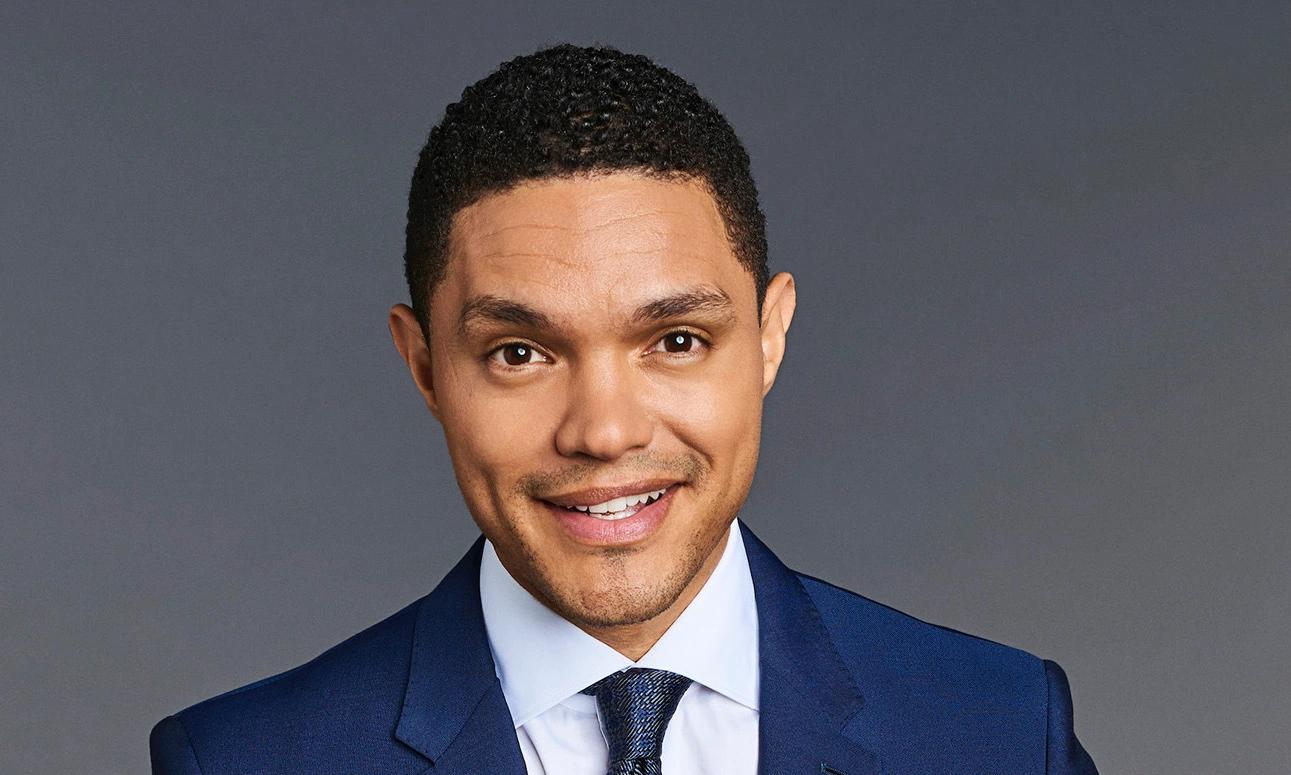
Long before Trevor Noah became one of the world’s most recognisable comedians, he was growing up in a country where his very existence challenged the law.
Born on 20 February 1984 in Johannesburg, South Africa, Noah entered the world during the final years of apartheid, a system of racial segregation that strictly regulated where people could live, work and whom they could marry. His mother, Patricia Nombuyiselo Noah, was Black South African, while his father, Robert Noah, was of Swiss-German heritage. At the time, relationships between Black and White South Africans were prohibited under apartheid legislation.
Years later, Noah would describe his childhood in his bestselling memoir, Born a Crime, explaining how his birth reflected the contradictions of a society divided by race.
Growing Up in a Changing South Africa
Noah’s childhood unfolded during one of the most significant periods in South African history.
As apartheid began to crumble, the country entered a difficult transition towards democracy. Like many families, the Noah household experienced financial hardship, uncertainty and the social divisions created by decades of institutional discrimination.
Throughout those years, Noah has repeatedly credited one person with shaping his future: his mother.
In Born a Crime, he describes Patricia Noah as deeply religious, determined and unwilling to allow social barriers to define her son’s future. She encouraged education, independence and critical thinking, values that would later become central to Noah’s career.
Discovering the Power of Humour
Comedy became more than entertainment.
Growing up in multilingual Johannesburg, Noah learned to speak several languages and quickly discovered that language could break down social barriers. His ability to imitate accents, observe everyday behaviour and find humour in difficult situations earned him attention long before he appeared on television.
Rather than avoiding sensitive topics, Noah built his comedy around them.
Race, identity, politics and cultural misunderstandings became recurring themes in performances that encouraged audiences to laugh while reflecting on broader social issues.
His reputation steadily grew across South Africa, where he became known as one of the country’s most distinctive stand-up comedians.
A Career That Reached the World
International performances eventually introduced Noah to audiences beyond Africa.
Appearances in Europe, Australia and the United States expanded his profile, leading to one of the defining moments of his career in 2015 when he was chosen to succeed Jon Stewart as host of The Daily Show.
The appointment attracted worldwide attention.
Stewart had spent more than fifteen years transforming the programme into one of America’s most influential satirical news shows, prompting widespread debate over whether any successor could maintain its popularity.
Noah approached the role from a different perspective.
Drawing on his experiences in South Africa and his understanding of international affairs, he introduced a more global outlook to political satire. Rather than focusing exclusively on American politics, his commentary frequently connected events in the United States with wider developments around the world.
Over seven years as host, he interviewed presidents, activists, business leaders, authors and entertainers while guiding viewers through elections, social movements, the COVID-19 pandemic and major international events.
More Than a Television Host
Although The Daily Show brought Noah worldwide recognition, it represents only one part of his career.
He has continued touring internationally as a stand-up comedian, performing to audiences across North America, Europe, Africa and Australia.
His memoir, Born a Crime, became an international bestseller and received widespread praise for combining humour with a deeply personal account of growing up during apartheid and South Africa’s democratic transition.
Beyond comedy, Noah has expanded into podcasting, production and media entrepreneurship, reflecting the broader transformation taking place within the global entertainment industry.
Giving Back Through Education
One of Noah’s most significant contributions outside entertainment has been his commitment to education.
Through the Trevor Noah Foundation, established in South Africa, he supports programmes that improve educational opportunities for young people, particularly those from disadvantaged communities.
The foundation focuses on helping students develop the knowledge, confidence and leadership skills needed to succeed in a rapidly changing world.
Its work reflects Noah’s long-held belief that education remains one of the most effective tools for expanding opportunity and reducing inequality.
A Voice That Crosses Cultures
Unlike many comedians whose work is rooted in a single national audience, Noah’s humour often draws on experiences shared across different societies.
His observations about language, migration, race and identity resonate with audiences because they combine personal experience with broader cultural insight.
Media scholars have noted that this international perspective helped distinguish his work at a time when entertainment increasingly reaches global audiences through streaming platforms and digital media.
A Lasting Legacy
Trevor Noah’s journey mirrors South Africa’s own transformation.
From growing up under apartheid to becoming one of the world’s most recognised entertainers, his story reflects themes of resilience, social change and the enduring power of education.
Today he is recognised not only as a comedian but also as an author, producer, broadcaster and philanthropist whose work has influenced conversations far beyond the stage.
His career demonstrates that humour can do more than entertain. It can challenge assumptions, encourage dialogue and help people better understand experiences different from their own.
More than four decades after his birth in apartheid South Africa, Trevor Noah remains one of Africa’s most influential cultural figures, continuing to show how storytelling can connect people across languages, generations and continents.

You may like


Cristiano Ronaldo: How Success Beyond Football Has Shaped His Life
-
Tyler Perry: How One Storyteller Built a Media Empire
-
Wizkid: How a Nigerian Superstar Helped Take Afrobeats Global
-
Ike Nwala and the Power of Cross-Cultural Comedy
-
Diamond Platnumz and the Evolution of Bongo Flava
-
How Nigerian Music Conquered the World