Analysis
Understanding China’s Long-Term Medical Partnership With Sierra Leone
Chinese medical teams have worked in Sierra Leone for decades, providing healthcare services, medical training and humanitarian assistance. Their long-term partnership highlights the growing role of international medical cooperation in strengthening public health systems and supporting vulnerable communities across Africa.

Published
3 months agoon
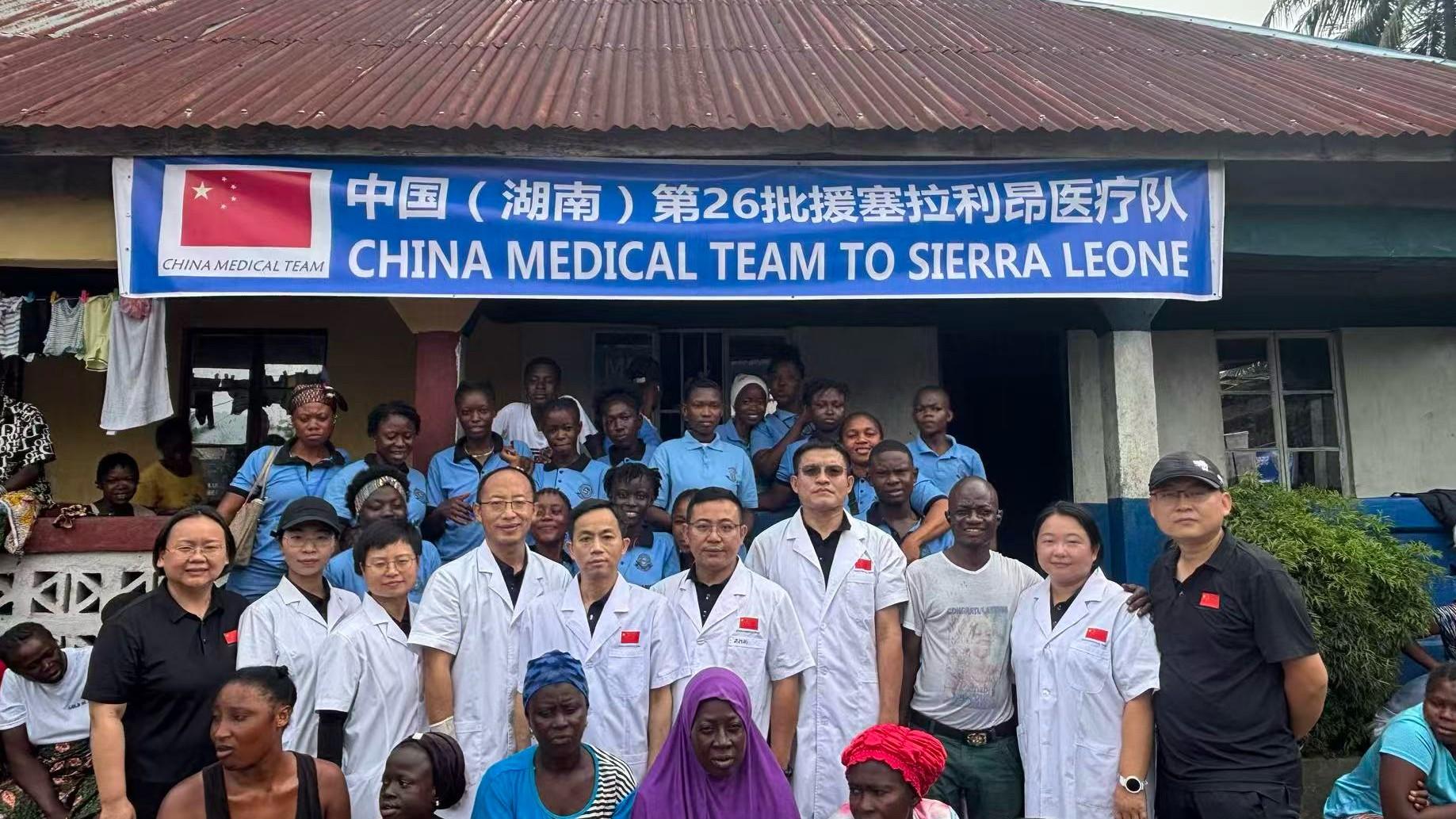
International medical cooperation has become an important part of healthcare development across Africa, where partnerships with foreign governments and international organisations have helped strengthen medical services, expand access to treatment and support vulnerable communities.
Among the longest-running examples is the partnership between China and Sierra Leone. For decades, Chinese medical teams have worked alongside local healthcare professionals, providing clinical services, medical training, public health support and humanitarian assistance in different parts of the country.
While individual donation campaigns often attract public attention, they represent only one aspect of a broader programme aimed at improving healthcare and strengthening cooperation between the two nations.
A Long History of Medical Cooperation
China first began sending medical teams to African countries in the 1960s, making healthcare one of the country’s longest-standing forms of international development cooperation.
Since then, thousands of Chinese doctors, nurses and medical specialists have served in hospitals across Africa, working with local health professionals to provide treatment, exchange expertise and improve healthcare capacity.
Sierra Leone has been among the countries benefiting from this partnership, particularly during periods when its healthcare system has faced significant challenges.
Medical teams have provided services in hospitals, conducted specialist consultations and supported broader public health programmes aimed at improving patient care.
Beyond Emergency Medical Care
Although Chinese medical teams are often recognised for providing clinical services, their work frequently extends beyond hospitals.
Many teams participate in community outreach programmes that include health education, free medical consultations and humanitarian activities supporting schools, orphanages and vulnerable families.
These initiatives are intended to complement existing healthcare services while improving public awareness of disease prevention, nutrition and general well-being.
Donations of food, medical supplies and everyday necessities are commonly incorporated into these outreach efforts, particularly for institutions caring for children and other vulnerable groups.
Supporting Children’s Welfare
Children remain among the most vulnerable members of many communities, particularly those living in residential care institutions.
Healthcare partnerships often recognise that improving children’s well-being requires more than medical treatment alone. Adequate nutrition, hygiene, education and safe living conditions all contribute to healthy childhood development.
Humanitarian donations to children’s welfare institutions therefore serve not only immediate needs but also demonstrate broader commitments to social welfare and community support.
Strengthening Public Health Systems
International medical cooperation has become increasingly important in addressing healthcare challenges that extend beyond individual patients.
In Sierra Leone, healthcare partnerships have contributed to efforts aimed at improving disease prevention, maternal and child health, emergency response and medical training.
Following major public health emergencies, including the Ebola outbreak, international cooperation highlighted the importance of building resilient healthcare systems capable of responding to future crises.
Medical partnerships increasingly focus on sharing knowledge and strengthening local capacity alongside providing direct clinical services.
Medical Diplomacy in Africa
Healthcare cooperation has also become an important element of international diplomacy.
Many countries support medical programmes abroad as part of broader development partnerships that include education, infrastructure and economic cooperation.
Supporters argue that medical diplomacy strengthens international relationships while addressing practical healthcare needs.
Others emphasise the importance of ensuring that international partnerships complement national health priorities and contribute to long-term capacity building rather than short-term assistance alone.
As healthcare needs continue to evolve across Africa, international partnerships are likely to remain an important source of expertise, training and humanitarian support.
For Sierra Leone, decades of cooperation with Chinese medical teams illustrate how sustained international engagement can extend beyond emergency assistance to include community outreach, professional knowledge exchange and long-term public health development.
Individual acts of generosity, such as donations to children’s welfare institutions, are therefore best understood within the wider context of enduring healthcare cooperation.
Ultimately, the success of these partnerships will continue to be measured not only by the assistance provided today but also by their contribution to stronger healthcare systems and healthier communities in the years ahead.