Analysis
How Nigerian Music Conquered the World
Nigerian music has grown from a regional phenomenon into one of Africa’s most influential cultural exports. Powered by streaming platforms, global collaborations and a new generation of internationally acclaimed artists, the industry is reshaping the global music landscape while driving growth across Nigeria’s wider creative economy.

Published
2 months agoon
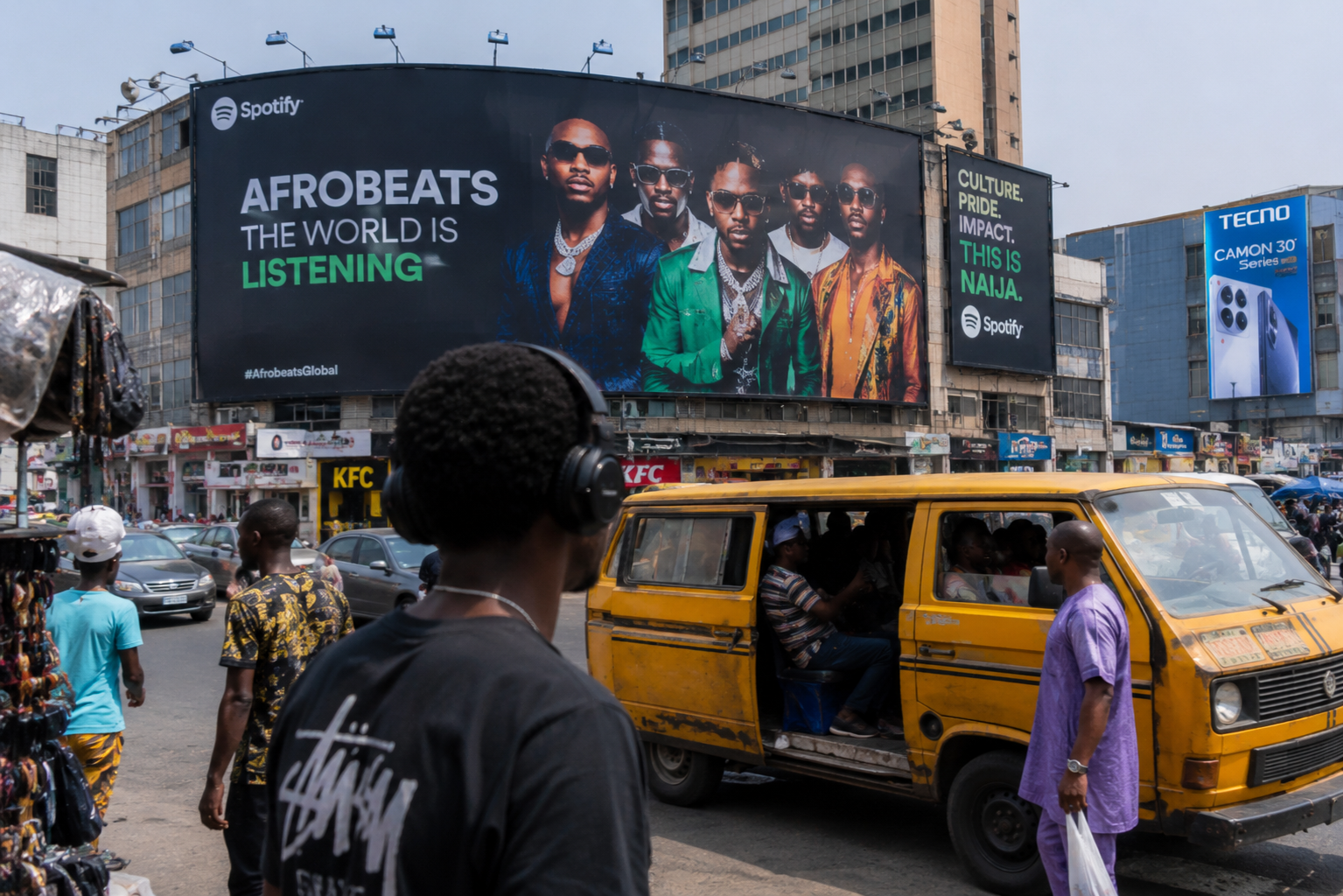
How Nigerian Music Became One of Africa’s Biggest Global Success Stories
Not long ago, Nigerian music was largely celebrated within West Africa and among African diaspora communities abroad.
Today, songs by Nigerian artists regularly top international streaming charts, fill stadiums across Europe and North America, feature in Hollywood productions and dominate playlists on platforms such as Spotify and Apple Music. From Lagos to London, Johannesburg to Tokyo, Nigerian music has become one of Africa’s most successful cultural exports.
Its rise has transformed not only the country’s entertainment industry but also the global perception of African popular music.
Rather than being driven by a single artist or viral hit, the success of Nigerian music reflects decades of cultural innovation, technological change and entrepreneurial ambition.
A Musical Tradition That Continues to Evolve
Nigeria’s modern music industry is rooted in a rich musical heritage.
Genres including Highlife, Jùjú, Fuji and Afrobeat helped shape the country’s contemporary sound long before streaming services connected African artists to global audiences.
Music legend Fela Anikulapo Kuti popularised Afrobeat during the 1970s by blending jazz, funk, highlife and traditional Yoruba rhythms with politically conscious lyrics.
Modern Afrobeats, despite the similar name, represents a broader style of contemporary popular music that combines Afrobeat influences with hip-hop, R&B, dancehall, amapiano, electronic music and pop.
This fusion has allowed Nigerian artists to create music that appeals to international audiences while maintaining strong connections to local languages, rhythms and storytelling traditions.
Technology Opened the World to Nigerian Artists
The digital revolution fundamentally changed how music reached listeners.
Before streaming platforms became widespread, African musicians often depended on physical record sales, radio stations and television broadcasters with limited international reach.
The growth of YouTube, Spotify, Apple Music, Audiomack and social media enabled Nigerian artists to distribute music directly to audiences around the world.
Dance challenges on TikTok, viral music videos and international playlists introduced millions of listeners to artists they might never previously have discovered.
According to the International Federation of the Phonographic Industry (IFPI), streaming has become one of the principal drivers of global music industry growth, creating new opportunities for artists from emerging markets.
Artists Who Changed the Global Conversation
Several performers have helped transform Nigerian music into a worldwide phenomenon.
Wizkid became one of the first Nigerian artists to achieve sustained international commercial success through collaborations with global musicians and chart-topping releases.
Davido expanded Afrobeats’ international appeal with sold-out tours and crossover hits that reached audiences well beyond Africa.
Burna Boy further elevated Nigerian music after becoming one of the continent’s most recognised international performers, winning a Grammy Award and performing at some of the world’s largest music festivals.
Artists including Tems, Rema, Ayra Starr, Asake, Omah Lay and others have continued broadening the genre’s reach, demonstrating the diversity and creativity of Nigeria’s rapidly evolving music scene.
Rather than relying on a single generation of performers, the industry has produced a continuous stream of internationally successful artists.
Collaboration Without Borders
International collaborations have played an important role in expanding Nigerian music’s audience.
Partnerships with musicians from the United States, the United Kingdom, Latin America and across Africa have introduced Afrobeats to new listeners while encouraging cultural exchange between different musical traditions.
Major international record labels have also increased investment in African artists, recognising both the commercial potential of the continent’s growing music industry and the expanding global audience for African popular music.
More Than Entertainment
The influence of Nigerian music extends far beyond recording studios.
Concerts, festivals, music videos, fashion, dance, digital content creation and artist management have contributed to a growing creative economy that supports thousands of jobs.
According to UNESCO, Africa’s cultural and creative industries have significant potential to generate employment, stimulate innovation and contribute to economic development.
Nigeria’s music industry has become one of the continent’s leading examples of this creative transformation.
Lagos has increasingly established itself as one of Africa’s most important entertainment centres, attracting producers, investors, performers and entrepreneurs from around the world.
Challenges Facing the Industry
Despite remarkable international success, important challenges remain.
Copyright infringement and digital piracy continue to affect revenue for many musicians. Emerging artists often face difficulties accessing finance, professional management and modern recording facilities.
Industry organisations have also called for stronger copyright enforcement, improved royalty collection systems and greater investment in music education to support the industry’s long-term growth.
Addressing these issues will be essential if Nigeria hopes to strengthen its position within the global music economy.
Looking Ahead
The international success of Nigerian music represents more than the rise of a popular genre.
It reflects the growing influence of African creativity within global culture and demonstrates how technology has enabled artists to reach audiences regardless of geography.
As streaming platforms continue expanding and collaborations become increasingly international, Nigerian musicians appear well positioned to remain at the forefront of Africa’s creative economy.
From neighbourhood studios in Lagos to the world’s largest concert arenas, Nigerian music has become one of the continent’s defining cultural achievements—showing that local stories, rhythms and languages can resonate with audiences across every corner of the world.

You may like


Cristiano Ronaldo: How Success Beyond Football Has Shaped His Life
-
Tyler Perry: How One Storyteller Built a Media Empire
-
Trevor Noah: From Apartheid to Global Stardom
-
Wizkid: How a Nigerian Superstar Helped Take Afrobeats Global
-
Ike Nwala and the Power of Cross-Cultural Comedy
-
Diamond Platnumz and the Evolution of Bongo Flava