Politics & Power
The Life and Legacy of Kenneth Kaunda
Kenneth Kaunda played a defining role in Zambia’s independence and became one of Africa’s most respected statesmen. His leadership, philosophy of Humanism and support for liberation movements continue to influence discussions about nation-building, leadership and African unity.

Published
3 months agoon
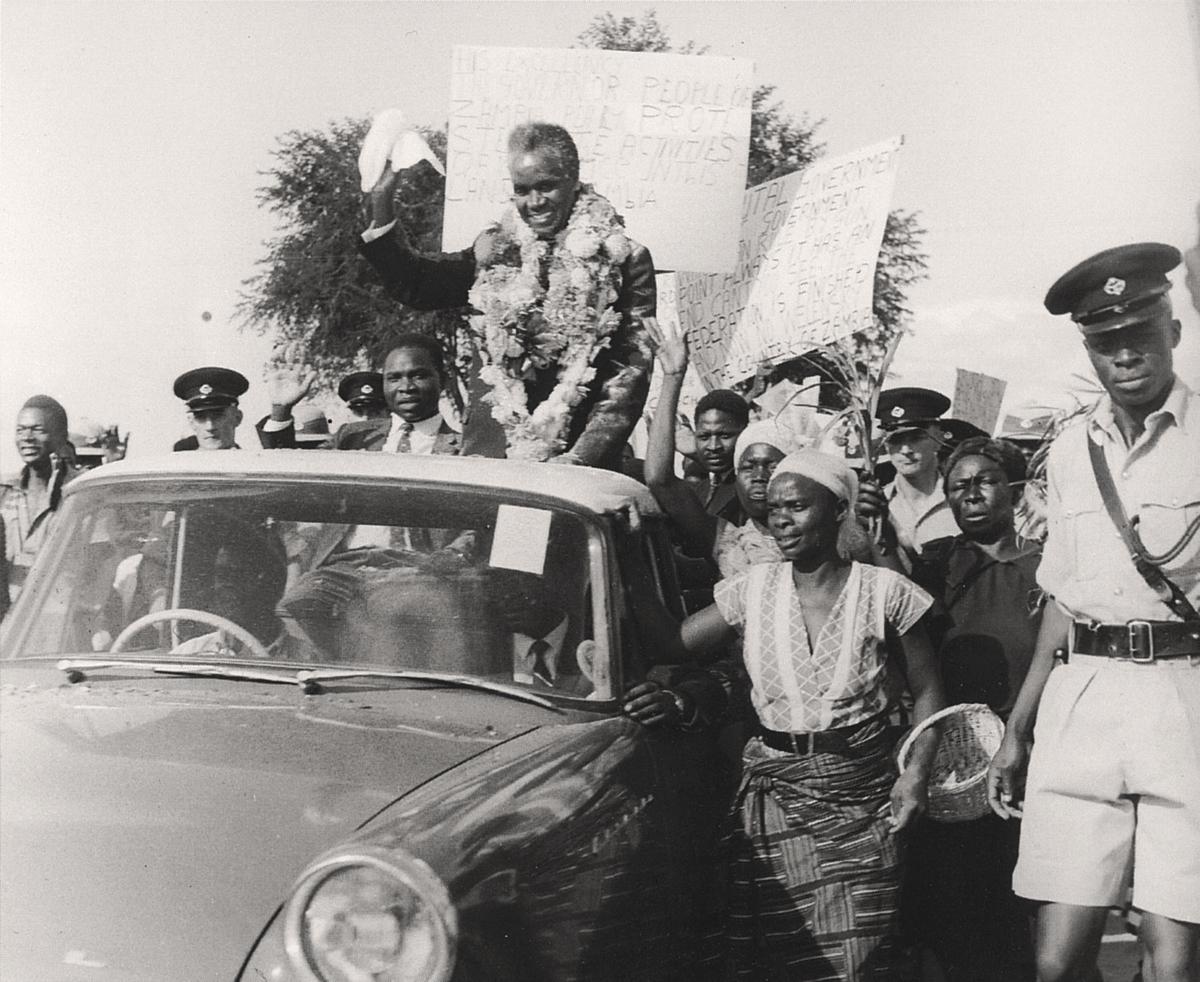
Few leaders have left a deeper mark on Zambia’s history than Dr. Kenneth David Kaunda.
As the country’s first President and one of Africa’s leading advocates for independence, democracy and regional cooperation, Kaunda played a central role in shaping Zambia’s identity after colonial rule. His influence extended beyond national borders, making him one of the continent’s most recognised statesmen during the twentieth century.
His legacy continues to inspire discussions about leadership, nation-building and the challenges of guiding a newly independent country.
From Colonial Rule to Independence
Born on 28 April 1924 in what was then Northern Rhodesia, Kenneth Kaunda grew up during a period when much of Africa remained under colonial administration.
Inspired by the growing movement for self-determination across the continent, he became actively involved in politics and emerged as one of the leading figures advocating for Zambia’s independence.
Following years of political mobilisation and negotiations, Zambia gained independence from Britain on 24 October 1964, with Kaunda becoming the nation’s first President.
Building a New Nation
Leading a newly independent country presented enormous challenges.
Zambia needed to establish national institutions, expand education, improve healthcare and develop infrastructure while promoting unity among its diverse ethnic communities.
Under Kaunda’s leadership, the government invested in schools, hospitals, roads and public services aimed at improving living standards and expanding opportunities for citizens.
Although Zambia experienced economic difficulties during parts of his presidency, many of the country’s foundational institutions were established during this period.
The Philosophy of Zambian Humanism
One of Kenneth Kaunda’s most distinctive contributions was his philosophy of Zambian Humanism.
The philosophy emphasised human dignity, equality, social responsibility, compassion and community development.
It encouraged citizens to place collective well-being alongside individual success while promoting peaceful coexistence across cultural, ethnic and religious differences.
Although interpretations of Humanism evolved over time, it remains an important part of Zambia’s political and intellectual history.
Champion of African Liberation
Kaunda’s influence extended well beyond Zambia.
During the struggles against colonial rule and apartheid, Zambia became an important base for several African liberation movements.
Kaunda supported organisations working toward independence and majority rule in countries including Zimbabwe, Namibia, Angola and South Africa.
His government often accepted significant economic and security costs in support of regional liberation efforts, earning him respect among many African leaders.
Leadership on the International Stage
Throughout the Cold War, Kenneth Kaunda promoted dialogue, peaceful cooperation and non-alignment.
He represented Zambia in international forums and worked alongside leaders from across Africa to strengthen regional cooperation through organisations such as the Organisation of African Unity, the predecessor of today’s African Union.
His diplomatic approach helped establish Zambia as a respected voice in continental affairs.
A Complex Legacy
Like many long-serving leaders, Kenneth Kaunda’s presidency remains the subject of historical discussion.
Supporters point to his commitment to national unity, education, healthcare and African liberation.
Critics note that Zambia experienced periods of economic hardship and political restrictions during the one-party era.
These differing perspectives form part of a broader historical assessment of his leadership.
Recognising both achievements and challenges provides a fuller understanding of his contribution to Zambia’s development.
Life After the Presidency
Following the return of multi-party democracy, Kenneth Kaunda peacefully transferred power after the 1991 elections.
He remained active in public life through humanitarian work, health campaigns and advocacy for peace and reconciliation.
His continued engagement demonstrated his enduring commitment to public service even after leaving political office.
More than six decades after Zambia gained independence, Kenneth Kaunda remains one of the country’s most influential historical figures.
His leadership helped shape modern Zambia while his commitment to African unity contributed to broader struggles for freedom across Southern Africa.
His life continues to offer lessons about nation-building, reconciliation, public service and the responsibilities that accompany political leadership.
Whether remembered as a freedom fighter, founding president or advocate for peace, Kenneth Kaunda occupies a lasting place in both Zambia’s history and the wider story of Africa’s journey toward independence.

You may like


ECOWAS at 50: Can West Africa’s Most Ambitious Regional Project Survive a New Era of Division?
-
Undocumented Migration in Southern Africa: Why the Debate Extends Far Beyond Borders
-
Rwanda: Three Decades After the Genocide
-
How Global Conflicts Affect African Economies
-
How SADC Shapes Southern Africa
-
How South Africa Is Rethinking Urban Housing