In Focus
How SADC Shapes Southern Africa
From regional highways and electricity networks to peacekeeping and economic integration, the Southern African Development Community (SADC) has become one of Africa’s most influential regional organisations. More than four decades after its creation, the bloc continues to shape Southern Africa’s development while adapting to new challenges such as climate change, digital transformation and regional security.

Published
2 months agoon
Every day, millions of people in Southern Africa benefit—often without realising it—from decisions made far beyond their national borders.
Electricity traded between neighbouring countries helps reduce power shortages. Regional highways carry goods from ports to landlocked states. Businesses invest across borders, while governments cooperate on security, public health and infrastructure. Behind much of this cooperation is the Southern African Development Community (SADC), one of Africa’s most influential regional organisations.
Although SADC is often associated with annual summits of heads of state, its role extends far beyond diplomacy. Over four decades, the organisation has become a central platform for regional integration, conflict resolution and economic cooperation across Southern Africa.
Today, however, SADC faces new questions about how it can remain effective in a region confronting climate change, youth unemployment, technological change and shifting global alliances.
Born From the Struggle for Economic Independence
The origins of SADC lie in Southern Africa’s liberation era.
During the late 1970s, several newly independent countries remained economically dependent on transport corridors, ports and infrastructure controlled by apartheid South Africa and colonial Rhodesia, now Zimbabwe. Political independence had been achieved in many countries, but economic dependence remained a significant obstacle.
Recognising this challenge, leaders from Angola, Botswana, Lesotho, Malawi, Mozambique, Swaziland (now Eswatini), Tanzania, Zambia and Zimbabwe established the Southern African Development Coordination Conference (SADCC) in Lusaka in 1980.
Their immediate objective was to coordinate development while reducing dependence on minority-ruled governments that controlled key regional infrastructure.
Following the end of apartheid and changing political realities, member states adopted the Windhoek Treaty in 1992, transforming SADCC into the Southern African Development Community (SADC) with a broader mandate covering economic integration, political cooperation and regional security.
Building a More Connected Region
From its earliest years, SADC recognised that stronger regional economies required stronger regional connections.
Member states committed themselves to improving transport corridors, harmonising customs procedures, expanding telecommunications networks and encouraging investment across national borders.
Projects such as the North-South Corridor have strengthened trade links between ports and inland economies, while the SADC Free Trade Area, launched in 2008, reduced tariffs on many goods traded among participating member states.
According to the African Development Bank, improved regional infrastructure remains one of the most important drivers of economic integration and competitiveness across Africa.
Although practical challenges remain, these initiatives have significantly expanded opportunities for regional commerce.
Beyond Trade: Supporting Peace and Stability
As Southern Africa became increasingly interconnected, SADC’s responsibilities expanded.
Economic development proved difficult to separate from political stability, leading the organisation to play a more active role in conflict prevention, election observation and regional diplomacy.
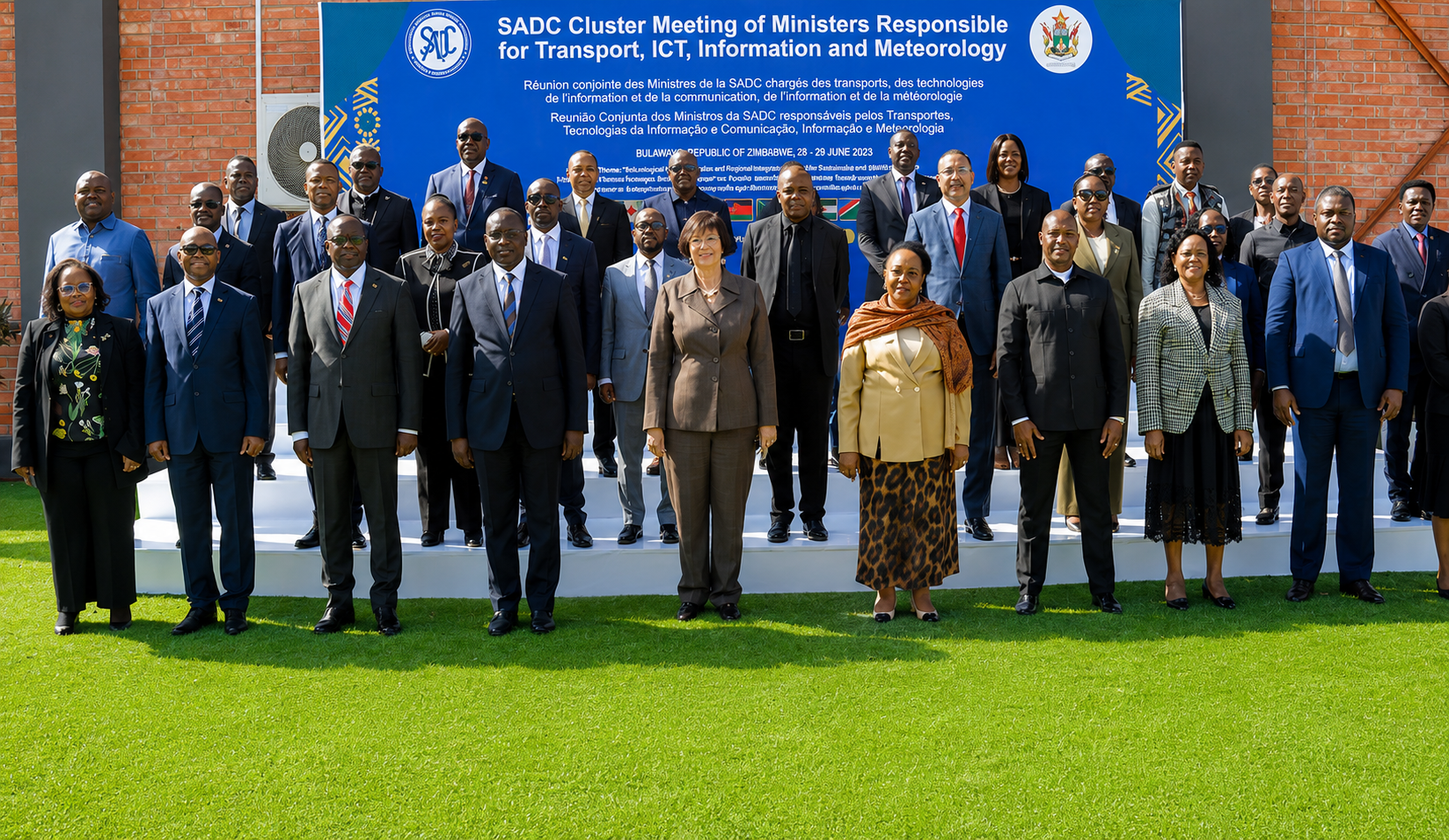
Today, SADC works through institutions including the Summit of Heads of State and Government, the Council of Ministers, the SADC Secretariat in Gaborone and the Organ on Politics, Defence and Security Cooperation.
These bodies coordinate responses to political crises, security threats and development priorities affecting sixteen member states.
Regional Responses to Conflict
SADC has increasingly taken responsibility for addressing instability within the region.
The organisation has facilitated mediation efforts during political crises, monitored elections and deployed regional missions where member states agreed collective action was necessary.
Recent operations in Mozambique’s Cabo Delgado Province, where regional forces supported efforts to combat an insurgency, demonstrated SADC’s willingness to combine diplomacy with practical security cooperation.
While analysts continue debating the long-term effectiveness of some interventions, they also acknowledge that regional organisations are playing an increasingly important role in responding to African security challenges.
Driving Economic Development
Southern Africa possesses some of the world’s richest reserves of minerals, including copper, cobalt, platinum, gold, lithium and diamonds.
The challenge has been transforming these natural resources into sustainable economic growth.
SADC has encouraged industrialisation, regional value chains and investment in manufacturing with the aim of reducing dependence on exporting raw materials.
Energy cooperation has also become increasingly important.
Through the Southern African Power Pool, national electricity grids are interconnected, allowing participating countries to trade electricity during periods of surplus or shortage. As renewable energy investment expands, regional power integration is expected to become even more significant.
Agriculture remains another major priority, with regional programmes supporting food security, climate resilience and improved farming productivity.
South Africa’s Influence
No assessment of SADC can ignore South Africa’s role.
Since joining the organisation in 1994, South Africa has become its largest economy and one of its principal sources of investment, manufacturing and financial services.
Its transport infrastructure and ports play a vital role in facilitating trade throughout Southern Africa.
At the same time, economists note that South Africa’s economic size creates both opportunities and challenges. While regional businesses benefit from access to larger markets, smaller economies sometimes express concerns about unequal competition and the concentration of investment.
Balancing regional leadership with equitable development therefore remains one of SADC’s continuing priorities.
New Challenges for a Changing Region
The issues confronting Southern Africa today differ considerably from those that shaped SADC’s creation.
Climate change is increasing the frequency of droughts, floods and cyclones. Rapid urbanisation continues placing pressure on housing, healthcare and public services. Meanwhile, high youth unemployment and global competition require economies to diversify beyond traditional commodity exports.
Digital transformation, renewable energy and industrial innovation are therefore becoming increasingly central to SADC’s long-term development agenda.
The organisation is also working with the African Union to support implementation of the African Continental Free Trade Area (AfCFTA), widely regarded as one of the world’s largest free-trade initiatives.
Looking Ahead
More than four decades after its establishment, SADC remains one of Africa’s most important examples of regional cooperation.
Its work has helped strengthen infrastructure, encourage trade, support peace initiatives and improve collaboration among countries facing many shared challenges.
The next phase of its development will depend on how effectively member states respond to climate change, technological transformation, economic inequality and the aspirations of a rapidly growing young population.
As global competition intensifies, regional cooperation may become even more important than it was when SADC’s founders first met in Lusaka.
Their original vision—a more connected, prosperous and peaceful Southern Africa—continues to shape the organisation’s mission today, even as the region confronts a new generation of opportunities and challenges.

You may like


ECOWAS at 50: Can West Africa’s Most Ambitious Regional Project Survive a New Era of Division?
-
Undocumented Migration in Southern Africa: Why the Debate Extends Far Beyond Borders
-
Rwanda: Three Decades After the Genocide
-
The Life and Legacy of Kenneth Kaunda
-
How Global Conflicts Affect African Economies
-
How South Africa Is Rethinking Urban Housing