In Focus
Before Temples and Scriptures: The Fascinating Origins of Religion and Why Humans Believe
Religion has shaped human civilisation for thousands of years, yet its beginnings remain one of history’s greatest mysteries. Archaeological discoveries and modern research suggest that religious belief emerged gradually as early humans sought to explain death, nature and their place in the world, laying the foundations for the spiritual traditions that continue to influence billions of people today.

Long before the construction of temples, churches and mosques—or the writing of sacred texts—early humans were already asking questions that continue to shape societies today.
Why do people die?
What causes thunderstorms?
Where do dreams come from?
Is there life after death?
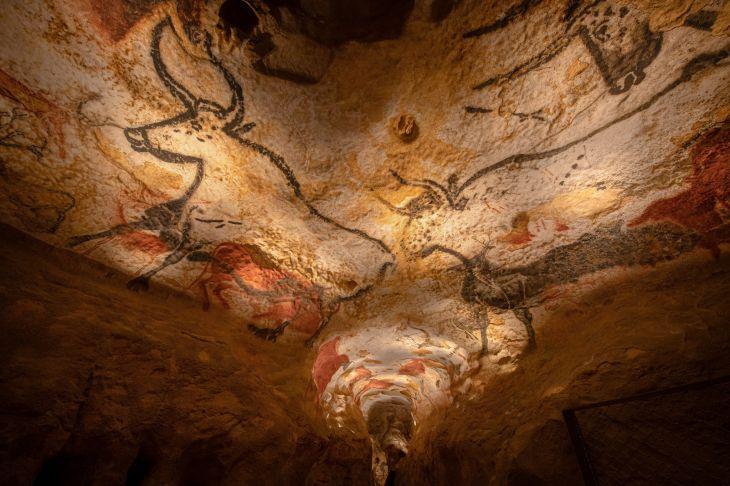
Although no one can identify the exact moment religion began, archaeologists, anthropologists and cognitive scientists agree that humanity’s search for spiritual meaning stretches back tens of thousands of years. Evidence from prehistoric burials, cave art and ancient ritual sites suggests that religious thought developed gradually as human societies evolved rather than appearing suddenly at a single point in history.
Rather than one definitive explanation, scholars have proposed several theories that together help explain how religion may have emerged.
The Earliest Clues in Archaeology
Some of the oldest evidence comes from prehistoric burials.
Archaeologists have discovered graves dating back more than 100,000 years in which bodies appear to have been deliberately buried with tools, ornaments, pigments and, in some cases, flowers. While researchers continue to debate exactly what these practices meant, many believe they indicate that early humans may already have held beliefs about death or an existence beyond it.
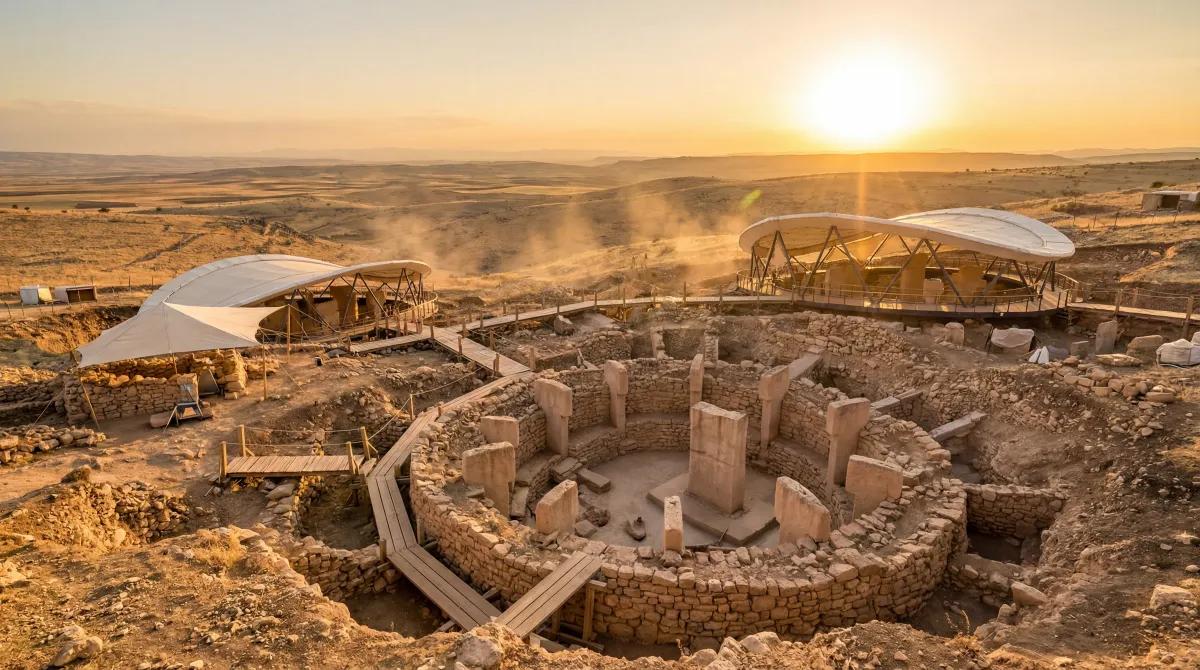
Another important discovery is Göbekli Tepe in present-day Türkiye, a monumental ritual complex dating to around 9600 BCE. Built thousands of years before Stonehenge or the Egyptian pyramids, the site suggests that organised ritual and communal worship may have existed even before the development of agriculture.
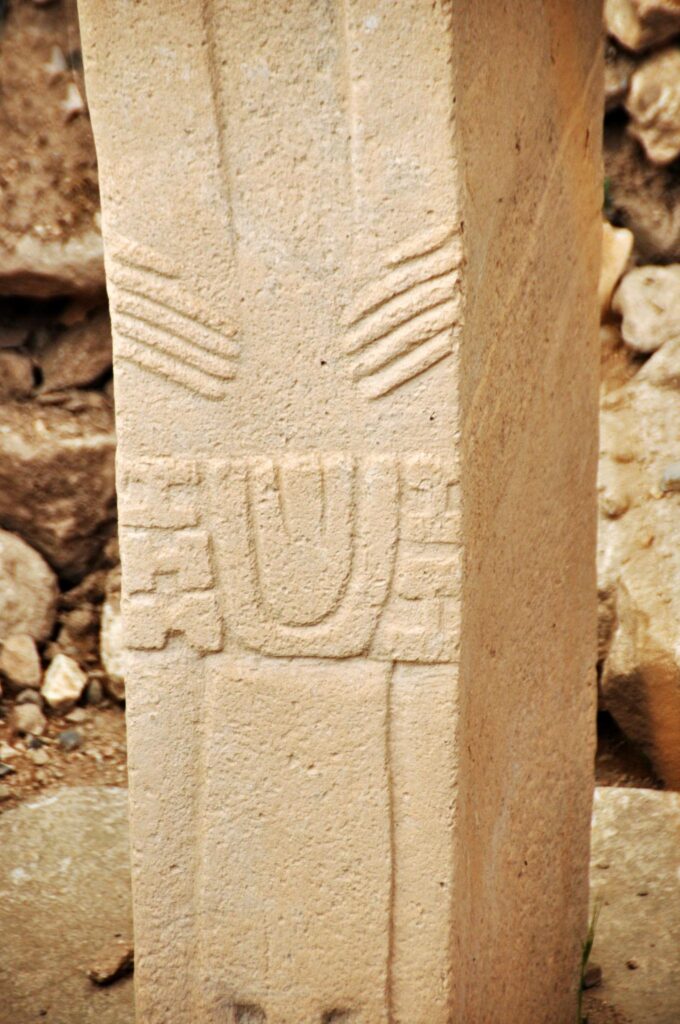
These discoveries indicate that symbolic belief systems emerged surprisingly early in human history.
How the Human Mind May Have Shaped Religion
Many researchers argue that religion became possible because of the evolution of the human brain.
According to cognitive scientists such as Pascal Boyer, humans naturally search for patterns and explanations. Early people who heard thunder, experienced dreams or witnessed death often sought causes beyond what they could directly observe.
This tendency to detect agency—seeing intention behind unexplained events—may have encouraged beliefs in spirits, ancestors or supernatural beings.
Rather than emerging from ignorance alone, religion may have reflected the human brain’s remarkable ability to imagine invisible causes and create meaningful explanations for the unknown.
Animism: Seeing Spirits in Nature
One of the earliest theories of religion was proposed by British anthropologist Edward B. Tylor, who argued that humanity’s first religious worldview was animism.
Animism is the belief that natural objects—including rivers, mountains, forests, animals and even the wind—possess spiritual qualities or living souls.
Tylor suggested that dreams and experiences involving deceased relatives may also have encouraged early humans to believe that spirits continued to exist after death.
Although many scholars have refined or challenged Tylor’s ideas, animistic beliefs remain an important part of numerous Indigenous traditions around the world.
Ancestors and the Living
Ancestor veneration became another important feature of many early societies.
Across Africa, Asia and other parts of the world, communities believed that deceased family members continued influencing the lives of the living. Rituals were developed to honour ancestors, seek guidance and maintain harmony between generations.
Anthropologists note that such traditions often strengthened family identity and preserved cultural knowledge across generations.
Many of these practices continue today within both traditional religions and some major world faiths.
Ritual Before Doctrine
Religion may have begun with actions before it developed formal beliefs.
Historian of religion Mircea Eliade argued that rituals helped people distinguish between ordinary life and experiences regarded as sacred. Ceremonies surrounding birth, death, hunting and seasonal change may have provided communities with shared meaning long before written theology existed.
Similarly, shamans—spiritual leaders found in many ancient cultures—used music, dance, fasting, meditation and other practices to enter altered states of consciousness.
These experiences were often interpreted as encounters with the spiritual world and helped shape myths, ceremonies and community traditions.
Religion and Human Cooperation
Religion may also have helped societies grow.
French sociologist Émile Durkheim argued that religion strengthened social cohesion by creating shared values, rituals and moral responsibilities.
As communities expanded beyond close family groups, common beliefs encouraged cooperation, reduced conflict and reinforced collective identity.
Many historians believe religion therefore played an important role not only in explaining the world but also in organising increasingly complex societies.
Why So Many Religions Share Similar Stories
One of the most intriguing aspects of comparative religion is the similarity of many ancient traditions.
Creation stories, flood narratives, sky deities, moral laws and beliefs about life after death appear in cultures separated by vast distances and thousands of years.
Scholars offer several explanations.
Some argue these similarities reflect common human experiences such as birth, death, natural disasters and the changing seasons.
Others suggest that ideas spread gradually through migration, trade and cultural exchange as human populations interacted over thousands of years.
Can We Ever Know How Religion Began?
Despite decades of archaeological discoveries and academic research, there is still no single explanation for the origin of religion.
Most scholars agree that religion emerged gradually through a combination of biological evolution, symbolic thinking, ritual behaviour, social cooperation and cultural development.
The exact balance of these influences remains one of the most fascinating questions in anthropology and the history of human civilisation.
Why the Question Still Matters
Understanding where religion came from is not simply an exercise in studying the distant past.
Religion continues to influence politics, ethics, art, education, law and culture across much of the world. Exploring its origins helps us better understand how humans have searched for purpose, explained the unknown and built communities throughout history.
Although definitive answers may never be possible, one conclusion is widely shared among researchers: religion did not emerge overnight. It evolved alongside humanity itself, reflecting our enduring desire to understand the world, confront mortality and find meaning beyond everyday experience.