Analysis
How Culture, Creativity and Innovation Are Reshaping Africa’s Global Image
Across fashion, music, film, cuisine and digital media, a new generation of African creators is redefining how the world sees the continent. By blending cultural heritage with modern innovation, Africa’s creative industries are becoming powerful drivers of economic growth, cultural influence and global recognition.

Published
5 months agoon
For decades, international perceptions of Africa were often shaped by conflict, poverty and humanitarian crises. While these issues remain part of the continent’s reality, they no longer tell the full story.
Across Africa, a different narrative is gaining momentum—one driven by fashion designers, musicians, filmmakers, chefs, digital entrepreneurs and artists whose work is redefining how the continent is seen both at home and abroad.
From Lagos and Dakar to Nairobi, Kigali and Cape Town, African creativity is increasingly influencing global trends while drawing confidence from local traditions. Rather than abandoning cultural heritage, a new generation of creators is adapting it for contemporary audiences, producing what many observers describe as a modern African cultural renaissance.
Tradition Inspires Contemporary Design
Africa’s cultural diversity has long been reflected in its textiles, craftsmanship and artistic traditions.
Today, designers are reinterpreting these traditions for modern markets.
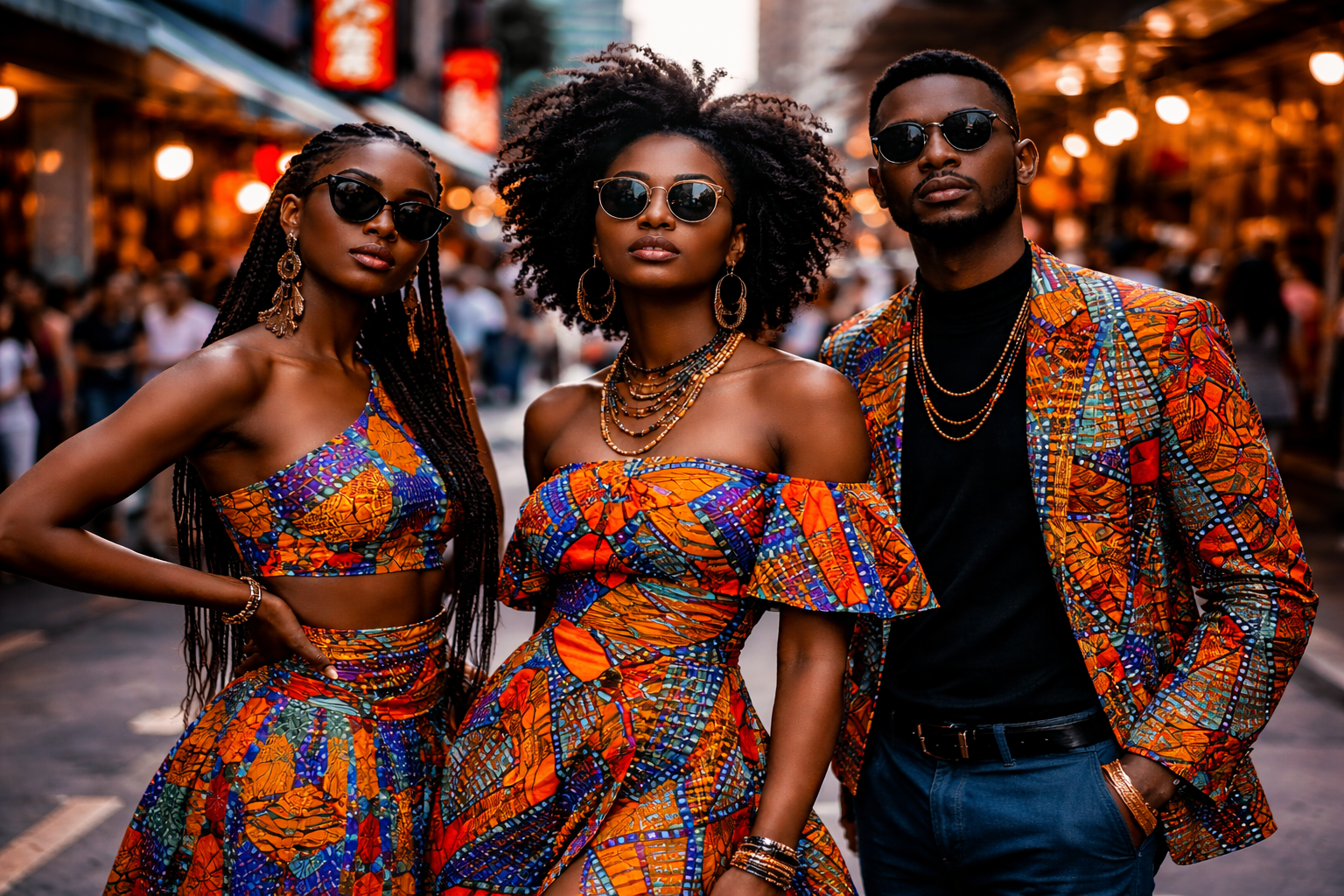
Traditional fabrics such as Ankara, Kente, Bogolanfini (mud cloth) and Aso Oke increasingly appear in contemporary fashion collections shown both on African runways and international stages. Rather than being marketed solely as traditional clothing, these designs are helping establish African fashion as an influential part of the global industry.
According to UNESCO, cultural industries contribute not only to preserving heritage but also to creating employment and supporting economic development. Across several African countries, fashion has become an important example of this relationship between culture and commerce.
Music Crosses Borders
Few sectors demonstrate Africa’s growing cultural influence more clearly than music.
Genres such as Afrobeats, Amapiano, Bongo Flava and Afro-fusion have attracted audiences far beyond the continent, aided by streaming platforms, social media and international collaborations.
Artists including Burna Boy, Wizkid, Tems, Tyla, Diamond Platnumz and Rema have introduced millions of listeners to African sounds while maintaining strong connections to local languages and musical traditions.
The global popularity of African music has also influenced fashion, dance, advertising and digital culture, demonstrating how creative industries increasingly shape perceptions of the continent.
African Stories Reach Global Audiences
Cinema has become another important driver of Africa’s cultural transformation.
Film industries such as Nollywood in Nigeria, together with growing production sectors in South Africa, Kenya, Ghana and Senegal, are producing stories that reflect the diversity of African societies rather than relying on external perspectives.
Streaming platforms have expanded opportunities for African filmmakers to reach international audiences, while film festivals across the continent continue promoting new voices and independent productions.
By telling their own stories, African creators are contributing to a more balanced understanding of the continent’s history, cultures and contemporary realities.
Food Becomes Cultural Diplomacy
African cuisine is also attracting increasing international recognition.
Restaurants specialising in Ethiopian, Nigerian, Moroccan, Senegalese and South African cuisine now operate in cities across Europe, North America and Asia, while African chefs are introducing traditional ingredients through modern culinary techniques.
Food festivals, television programmes and digital content creators have helped highlight the diversity of African cooking, encouraging greater appreciation of regional ingredients and long-standing culinary traditions.
For many communities, food represents more than nutrition. It preserves history, strengthens identity and provides an accessible way of sharing culture across borders.
Wellness Rooted in Tradition
Alongside changing lifestyles, interest in health and wellbeing has expanded in many African cities.
Fitness, nutrition and mental health are receiving greater public attention, while some communities continue drawing upon traditional knowledge relating to herbal medicine, indigenous foods and community-centred approaches to wellbeing.
Researchers emphasise that traditional practices should be evaluated through scientific evidence where medical claims are involved. Nevertheless, the renewed interest in indigenous knowledge reflects broader efforts to preserve cultural heritage while adapting it to contemporary life.
Digital Technology Amplifies African Creativity
Technology has accelerated the continent’s cultural influence.
Social media platforms, digital marketplaces and streaming services have enabled creators to reach international audiences without depending entirely on traditional publishers, broadcasters or distributors.
Independent designers sell products globally through online stores. Musicians release music directly to listeners. Filmmakers reach audiences through streaming platforms, while content creators showcase African lifestyles to millions of viewers across multiple social media channels.
Digital technology has therefore become one of the most important drivers of Africa’s modern creative economy.
Challenges Remain
Despite growing international recognition, creative industries across Africa continue to face significant obstacles.
Limited access to finance, copyright infringement, uneven digital infrastructure and gaps in professional training continue affecting many creators.
According to the United Nations Conference on Trade and Development (UNCTAD), strengthening creative industries requires continued investment in education, intellectual property protection, digital infrastructure and access to international markets.
Addressing these challenges will be essential if Africa’s cultural industries are to achieve their full economic potential.
Africa’s lifestyle renaissance is not defined by a single fashion trend, music genre or artistic movement.
It reflects a broader transformation in which culture, entrepreneurship and technology increasingly reinforce one another.
As creators continue blending heritage with innovation, African influence is becoming more visible across fashion, entertainment, cuisine, design and digital media.
The significance of this transformation extends beyond cultural recognition. It also highlights the growing contribution of Africa’s creative economy to employment, tourism, investment and international cultural exchange.
Rather than simply participating in global cultural conversations, African creators are increasingly helping shape them.