
Analysis
Charlie Chaplin: The Silent Film Legend Who Changed Cinema
More than a century after his rise to fame, Charlie Chaplin remains one of cinema’s most influential figures. His blend of visual comedy and social commentary transformed silent film and continues to inspire filmmakers, including many working across Africa, where storytelling has long been used to explore society, identity and justice.

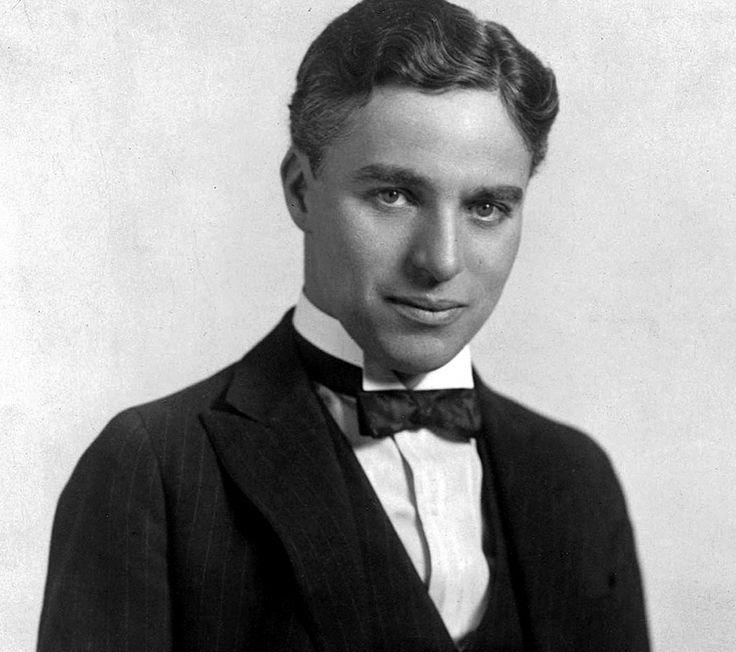
More than a century after first appearing on cinema screens, Charlie Chaplin remains one of the most influential figures in the history of filmmaking.
Known for his iconic “Little Tramp” character—complete with a bowler hat, cane and oversized shoes—Chaplin transformed silent cinema into a powerful form of storytelling that combined humour with social commentary. His films continue to be studied in film schools, restored by archives and enjoyed by audiences across generations.
While Chaplin built his career in Europe and the United States, his influence eventually reached filmmakers, actors and audiences around the world, including Africa, where cinema increasingly became a medium for exploring social and political change.
A Pioneer of Modern Cinema
Born in London in 1889, Charlie Chaplin rose from childhood poverty to become one of the first global film stars.
During the silent film era, he wrote, directed, produced and starred in many of his own productions, including The Kid (1921), City Lights (1931), Modern Times (1936) and The Great Dictator (1940).
According to the British Film Institute, Chaplin helped establish many of the storytelling techniques that continue to influence filmmakers today, demonstrating that visual performance alone could communicate complex emotions without spoken dialogue.
Comedy With a Social Purpose
Although Chaplin is remembered primarily for comedy, many of his films explored serious social issues.
Modern Times examined the effects of industrialisation and mechanised labour on ordinary workers, while The Great Dictator became one of cinema’s earliest and most memorable satirical critiques of fascism and dictatorship.
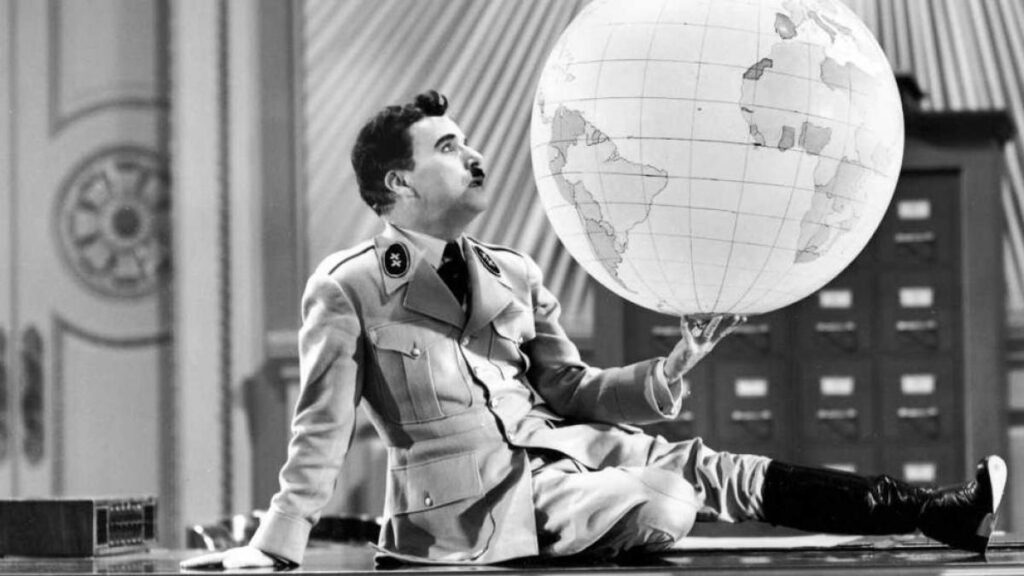
Rather than separating humour from social criticism, Chaplin combined the two, allowing audiences to laugh while reflecting on poverty, inequality and injustice.
This approach would later influence filmmakers across many cultures.
Why Chaplin Resonated Beyond Europe
One reason Chaplin achieved worldwide popularity was the universal nature of silent film.
Without spoken dialogue, audiences from different countries could understand his stories regardless of language.
His characters also represented experiences familiar to many societies: unemployment, hardship, hope, resilience and the desire for dignity.
Film historians argue that these universal themes helped Chaplin’s work reach audiences far beyond the countries where his films were produced.
Chaplin and African Cinema
As African cinema developed during the twentieth century, filmmakers increasingly used film not only for entertainment but also to explore questions of colonialism, identity, inequality and social change.
Among the continent’s most influential directors was Sembène Ousmane of Senegal, widely regarded as one of the founders of modern African cinema.
Although no clear evidence shows that Sembène directly based his filmmaking on Charlie Chaplin, scholars have noted that both directors used cinema as a vehicle for social commentary.
Where Chaplin addressed industrialisation, poverty and authoritarianism, Sembène focused on colonialism, post-independence politics, social inequality and African identity.
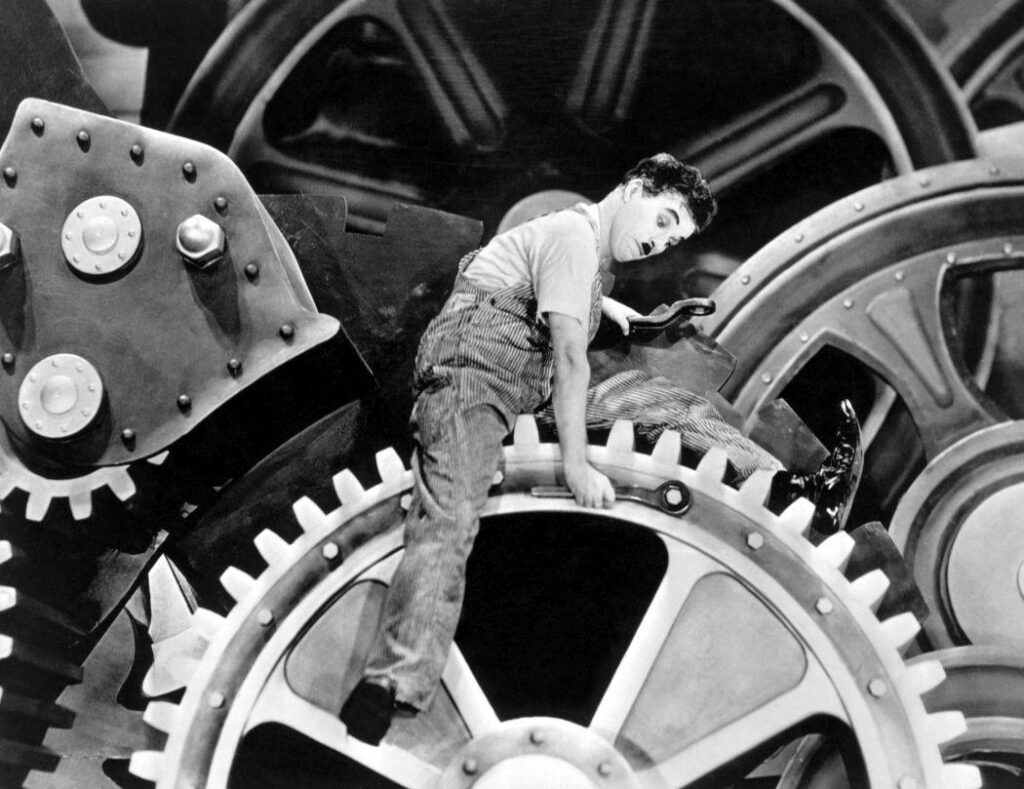
Their subjects differed, but both demonstrated how humour, symbolism and ordinary characters could be used to examine complex social issues.
A Legacy Beyond Comedy
Chaplin’s influence extends well beyond filmmaking.
His storytelling techniques have inspired generations of actors, comedians and directors across different cultures.
Physical comedy, visual storytelling and emotionally driven humour remain central elements of cinema, television and digital entertainment today.
For African filmmakers, Chaplin represents part of a broader global cinematic tradition that demonstrated how film could entertain audiences while encouraging them to reflect on important social questions.
Why Chaplin Still Matters
More than forty years after his death, Charlie Chaplin’s work continues to attract new audiences through film restorations, streaming platforms and academic study.
His films remain relevant because they address themes that continue to resonate: inequality, resilience, compassion and the dignity of ordinary people.
Although cinema has changed dramatically since the silent film era, Chaplin’s influence remains visible in filmmakers around the world who continue using humour to tell stories about society, justice and the human condition.
His greatest legacy may not simply be that he made people laugh, but that he showed comedy could also become one of cinema’s most powerful tools for understanding the world.