In Focus
Diamond Platnumz and the Evolution of Bongo Flava
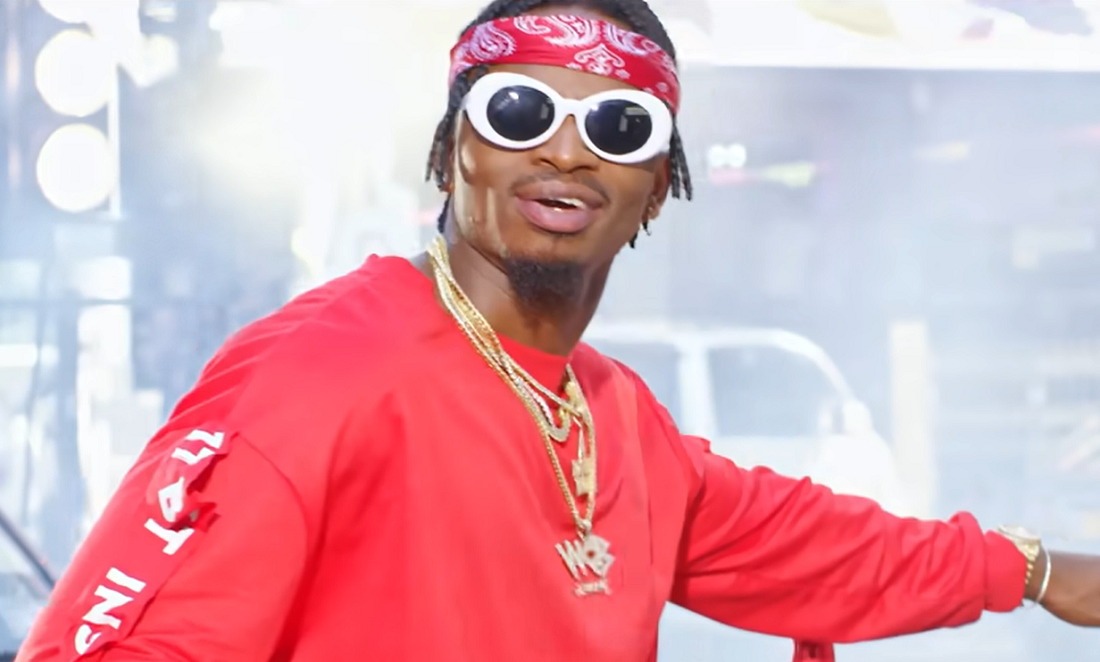
Diamond Platnumz’s rise to fame has been marked by numerous achievements and accolades. Born on October 2, 1989, as Nasibu Abdul Juma, in Dar es Salaam, Tanzania, he began his musical career in the early 2000s.

Published
5 months agoon
Music has long served as a powerful form of artistic expression, allowing performers to tell stories, challenge ideas and reflect the societies in which they live.
At the same time, musicians often find themselves navigating public expectations, cultural traditions and regulatory frameworks that shape what audiences consider acceptable.
The career of Tanzanian artist Diamond Platnumz illustrates this balance between creative freedom and social responsibility, highlighting the broader conversations that continue across Africa’s entertainment industry.
From Local Artist to Continental Star
Born Nasibu Abdul Juma in Dar es Salaam, Tanzania, Diamond Platnumz emerged as one of East Africa’s most influential musicians through his distinctive blend of Bongo Flava, Afropop and contemporary African sounds.
His music has attracted audiences across Africa and internationally, while collaborations with artists from different countries have expanded the global reach of Tanzanian music.
His success reflects the growing international recognition of African popular music.
The Influence of Public Figures
Successful musicians often become more than entertainers.
Their music, public appearances and social media presence influence millions of fans, particularly younger audiences.
As artists gain wider recognition, expectations frequently increase regarding the messages they communicate and the example they set within society.
This places performers in a unique position where artistic expression is often accompanied by public responsibility.
Creative Freedom and Cultural Values
Across many countries, artists occasionally face criticism over lyrics, performances or visual content that some audiences consider inconsistent with local cultural norms.
These debates are not unique to Tanzania.
Around the world, musicians, filmmakers and other creative professionals regularly navigate discussions about freedom of expression, artistic innovation and respect for community values.
Finding an appropriate balance remains one of the ongoing challenges within the creative industries.
Learning From Public Debate
Public criticism and dialogue can encourage artists to reflect on their work while also opening broader conversations about creativity and cultural identity.
When performers respond to criticism, whether through explanation, revision or public statements, these moments often illustrate the evolving relationship between artists, audiences and regulatory institutions.
Such discussions contribute to the continuing development of the creative sector.
Beyond Music
Diamond Platnumz has also influenced Africa’s entertainment industry through entrepreneurship.
His record label has helped promote emerging artists while contributing to the growth of East Africa’s music business.
Like many successful musicians, he has expanded beyond performing into media, business and talent development, demonstrating how artists increasingly shape the wider creative economy.
The Global Rise of African Music
The success of artists from Tanzania, Nigeria, South Africa and other African countries reflects the growing international appeal of the continent’s music.
Streaming platforms, international collaborations and digital media have introduced African genres to audiences around the world.
This expansion has created new opportunities while also increasing discussions about identity, authenticity and cultural representation.
Diamond Platnumz’s journey illustrates how modern African artists influence both entertainment and society.
His career highlights the opportunities that come with international success as well as the responsibilities associated with being a prominent public figure.
More broadly, his experience reflects ongoing conversations about artistic freedom, cultural values and the evolving role of music in shaping public dialogue across Africa.
As African music continues to grow globally, these discussions are likely to remain an important part of the continent’s creative future.

You may like


Cristiano Ronaldo: How Success Beyond Football Has Shaped His Life
-
Tyler Perry: How One Storyteller Built a Media Empire
-
Trevor Noah: From Apartheid to Global Stardom
-
Wizkid: How a Nigerian Superstar Helped Take Afrobeats Global
-
Ike Nwala and the Power of Cross-Cultural Comedy
-
How Nigerian Music Conquered the World