
In Focus
Snail Facials: Why This Unusual Beauty Treatment Is Dividing Opinion
Live snail facials have become one of the beauty industry’s most talked-about trends, attracting curiosity as well as criticism. While supporters claim snail mucin may help hydrate and nourish the skin, dermatologists say scientific evidence remains limited and consumers should weigh the potential benefits against hygiene, safety and ethical considerations before trying the treatment.

Published
3 months agoon
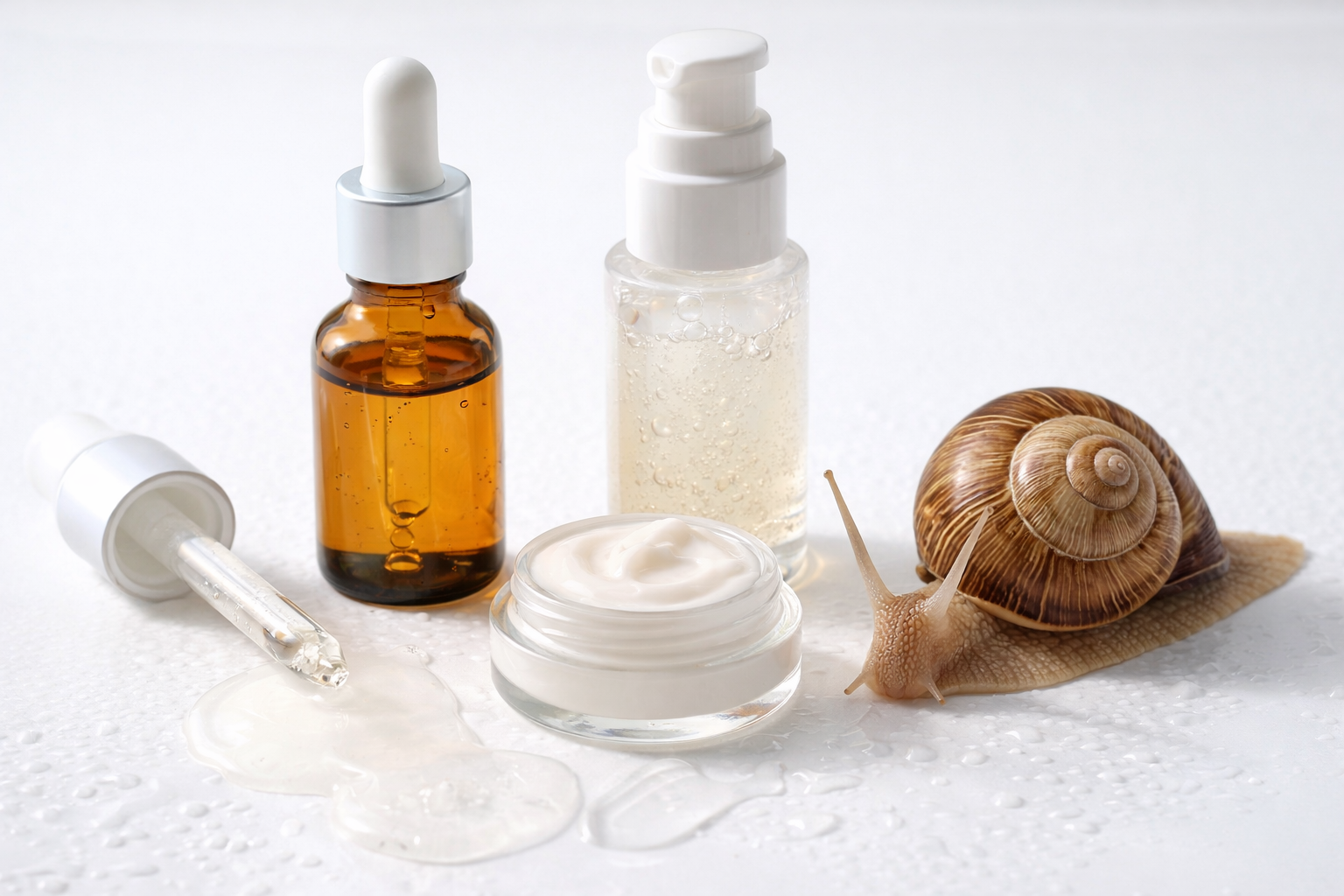
When videos of live snails crawling across people’s faces began circulating on social media, many viewers reacted with a mixture of fascination and disbelief.
To some, the treatment appeared relaxing and innovative. Others questioned whether allowing live snails to move across the skin could possibly be safe—or even necessary.
Although the trend may seem unusual, snail-based skincare is not new. For years, cosmetics containing snail secretion filtrate, commonly known as snail mucin, have been used in moisturisers, serums and facial creams, particularly in South Korea, where the ingredient gained international popularity before spreading to beauty markets around the world.
The recent rise of live snail facials has renewed interest in the ingredient while also raising questions about hygiene, scientific evidence and animal welfare.
Why Is Snail Mucin Used in Skincare?
Dermatologists explain that snail mucin contains a mixture of naturally occurring compounds, including glycoproteins, hyaluronic acid, antioxidants and peptides.
According to the American Academy of Dermatology (AAD), ingredients such as hyaluronic acid are widely recognised for helping the skin retain moisture, while antioxidants may help protect the skin from environmental damage.
Some laboratory studies suggest that snail mucin may support skin hydration and assist the skin’s natural repair processes. However, dermatologists caution that research into its cosmetic benefits remains limited, and results vary between individuals.
Why Are Some Beauty Clinics Using Live Snails?
Supporters of live snail facials argue that allowing snails to move naturally across the face leaves behind fresh mucus that may hydrate the skin.
Beauty clinics offering the treatment often describe it as relaxing and claim it promotes smoother-looking skin.
However, skin specialists note that there is currently limited scientific evidence showing that live snail facials produce better results than skincare products containing purified snail mucin.
Many dermatologists also point out that cosmetic products undergo processing and quality control that cannot be guaranteed when using live animals.
Hygiene and Safety Concerns
Health professionals advise that any beauty treatment involving live animals requires careful hygiene practices.
Improper handling could increase the risk of bacterial contamination or skin irritation, particularly for individuals with sensitive skin or existing skin conditions.
The U.S. Food and Drug Administration (FDA) advises consumers to be cautious about cosmetic products and treatments making claims that are not supported by scientific evidence.
Anyone considering an unusual cosmetic procedure should ensure it is performed by trained professionals using appropriate hygiene standards.
Ethical Questions Continue
The popularity of live snail facials has also prompted debate among animal welfare advocates.
Critics question whether repeated handling may cause unnecessary stress to the snails, while supporters argue that responsible treatment and careful handling minimise harm.
These discussions reflect a broader conversation taking place across the beauty industry about balancing innovation with ethical responsibility.
A Growing Market for Unusual Beauty Treatments
The global beauty industry has increasingly embraced unconventional skincare ingredients, from bee venom and salmon DNA to fermented extracts and plant stem cells.
Social media has accelerated this trend by allowing unusual treatments to reach millions of viewers within hours, often generating curiosity long before scientific evidence catches up.
Dermatologists encourage consumers to distinguish between treatments supported by clinical research and those driven primarily by online popularity.
What Should Consumers Consider?
Experts recommend approaching any emerging beauty trend with healthy scepticism.
Before trying a treatment, consumers should ask whether there is credible scientific evidence supporting its benefits, whether appropriate hygiene standards are followed and whether the procedure is suitable for their skin type.
Consulting a qualified dermatologist remains the safest way to determine which skincare treatments are likely to provide genuine benefits.
While live snail facials continue attracting attention online, specialists say good skincare fundamentals—including sun protection, gentle cleansing, moisturising and evidence-based treatments—remain the most reliable approach to maintaining healthy skin.
Whether live snail facials become a lasting cosmetic practice or simply another social media trend remains to be seen. What is clear is that the growing interest reflects consumers’ continuing search for new ways to care for their skin—while reminding us that popularity does not always equal scientific proof.



