In Focus
Wizkid: How a Nigerian Superstar Helped Take Afrobeats Global
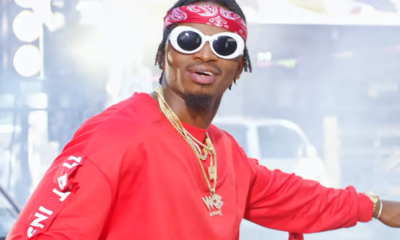
Nigerian singer Wizkid has become one of the defining figures of modern African music. From his early years in Lagos to international collaborations with some of the world’s biggest artists, his career mirrors the remarkable rise of Afrobeats as a global cultural force.

Published
4 months agoon

Few musicians have contributed more to the international rise of contemporary African music than Ayodeji Ibrahim Balogun, professionally known as Wizkid.
Over the past two decades, the Nigerian singer, songwriter and performer has evolved from a promising teenager in Lagos into one of Africa’s most influential recording artists. His career has coincided with the remarkable global expansion of Afrobeats, a movement that has transformed African popular music from a regional phenomenon into an international cultural force.
Today, Wizkid is widely recognised not only for his commercial success but also for helping reshape global perceptions of African music.
Growing Up in Lagos
Born on 16 July 1990 in Surulere, Lagos State, Wizkid grew up in one of Africa’s most vibrant cultural centres.
Lagos has long been regarded as the heart of Nigeria’s music industry, where traditional rhythms, gospel, hip-hop, reggae and contemporary pop intersect to create new musical styles.
Surrounded by these influences, Wizkid developed an interest in music at an early age. He sang in church, recorded amateur songs as a teenager and briefly performed with a local group known as the Glorious Five.
These early experiences laid the foundation for a professional career that would soon accelerate.
A Breakthrough That Changed Everything
Wizkid’s career gained momentum after signing with Empire Mates Entertainment (EME), led by Nigerian singer and entrepreneur Banky W.
His debut single, “Holla at Your Boy,” released in 2010, quickly became one of Nigeria’s biggest songs of the year. It introduced audiences to a young artist whose blend of melody, rhythm and contemporary production reflected the changing direction of Nigerian popular music.
His debut album, Superstar, produced several successful singles and established him as one of the leading voices of a new generation of African musicians.
Helping Afrobeats Reach Global Audiences
As music streaming platforms expanded internationally, so did Wizkid’s audience.
His collaboration with Canadian rapper Drake on “One Dance” introduced millions of listeners to Afrobeats-inspired music and became one of the most streamed songs of its era.
Subsequent collaborations with Beyoncé, Chris Brown, Justin Bieber, Skepta, Burna Boy, Tems and other international artists further strengthened the global visibility of African music.
Music industry analysts frequently describe this period as a turning point, demonstrating that African artists could achieve mainstream international success while maintaining their cultural identity.
A Sound That Remains Distinctly African
One of the defining features of Wizkid’s career has been his commitment to African musical identity.
His recordings blend Afrobeats with R&B, dancehall, reggae and contemporary pop while continuing to incorporate Nigerian languages, rhythms and cultural influences.
Rather than adapting completely to Western musical trends, Wizkid has consistently presented African sounds as central to his artistic identity.
This approach has helped broaden international appreciation for African music without sacrificing authenticity.
Recognition Across the Industry
Throughout his career, Wizkid has received numerous awards from both African and international organisations.
His work has been recognised by institutions including the Grammy Awards, BET Awards, MOBO Awards, MTV Europe Music Awards and The Headies.
While awards acknowledge commercial and artistic achievement, many observers believe his most enduring contribution has been helping expand opportunities for African musicians within the global entertainment industry.
Influence Beyond Recording Studios
Wizkid’s impact extends beyond music alone.
His influence can be seen in fashion, youth culture and the growing international confidence of Africa’s creative industries.
His success has inspired countless young musicians across the continent, demonstrating that artists can achieve worldwide recognition while remaining rooted in African culture.
The global popularity of Afrobeats has also supported wider economic activity through concerts, music production, digital streaming, fashion, tourism and entertainment entrepreneurship.
For many emerging artists, Wizkid represents both artistic success and the expanding international potential of Africa’s creative economy.
Maintaining Privacy in the Public Eye
Despite widespread international recognition, Wizkid has generally maintained a relatively private personal life.
Although public interest occasionally extends beyond his music, he has largely preferred to allow his artistic work to define his public image.
This emphasis on music rather than celebrity has contributed to a career built primarily on artistic output and international performances.
Wizkid’s story reflects a broader transformation within African music. Over the past two decades, advances in digital technology, music streaming and international collaboration have allowed African artists to reach audiences on an unprecedented scale. His career demonstrates how talent, cultural authenticity and global connectivity can reshape an entire industry. As Afrobeats continues expanding into new markets, Wizkid’s influence remains evident not only through his own recordings but also through the growing number of African musicians achieving international recognition.

You may like


Cristiano Ronaldo: How Success Beyond Football Has Shaped His Life
-
Tyler Perry: How One Storyteller Built a Media Empire
-
Trevor Noah: From Apartheid to Global Stardom
-
Ike Nwala and the Power of Cross-Cultural Comedy
-
Diamond Platnumz and the Evolution of Bongo Flava
-
How Nigerian Music Conquered the World