In Focus
How Streaming Platforms Are Transforming African Music
African music has become one of the world’s fastest-growing cultural exports. As streaming platforms connect artists with international audiences, media personalities such as Nandi Madida are helping showcase the continent’s diverse musical talent and expanding Africa’s influence on the global entertainment industry.

Published
5 months agoon
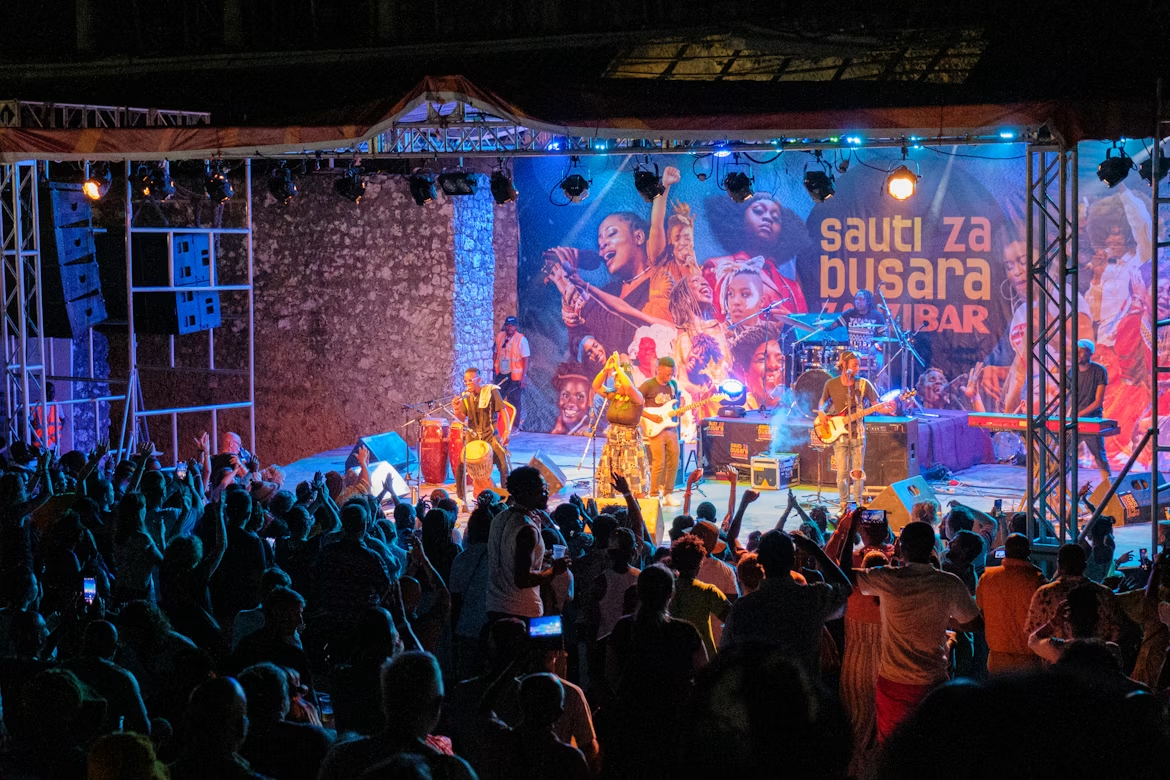
African music has entered one of the most influential periods in its modern history.
What was once considered a regional entertainment industry has evolved into a global cultural force, with African artists regularly topping international charts, collaborating with major musicians and performing before audiences around the world.
Streaming platforms have played an important role in this transformation by making African music more accessible than ever before. Among the industry figures contributing to this movement is South African singer, actress and media personality Nandi Madida, whose work has helped introduce African artists and stories to listeners across the globe.
African Music’s Global Moment
For decades, African music has been shaped by rich musical traditions, regional genres and cultural diversity.
Today, styles such as Afrobeats, Amapiano, Gqom, Afro-fusion and Bongo Flava attract millions of listeners far beyond the continent.
Artists including Wizkid, Burna Boy, Tems, Davido, Tiwa Savage, Diamond Platnumz, Tyla, Rema and many others have demonstrated that African music can compete successfully within the international entertainment industry while maintaining its cultural identity.
The growing popularity of these genres reflects increasing global interest in African creativity.
The Role of Streaming Platforms
Digital streaming has fundamentally changed how music reaches audiences.
Platforms such as Apple Music, Spotify and YouTube have enabled artists to connect directly with listeners across continents without relying solely on traditional record distribution.
Editorial playlists, radio programmes and artist interviews have become powerful tools for introducing emerging talent to international audiences.
These platforms have also allowed listeners to explore musical traditions from different parts of Africa with unprecedented ease.
Nandi Madida’s Contribution
Nandi Madida has built a multifaceted career as a singer, television presenter, actress and media personality.
Her involvement in music broadcasting has positioned her as one of several influential voices helping present African music to global audiences.
Through interviews, artist features and curated programming, she has contributed to conversations celebrating the diversity of African music while highlighting established performers alongside emerging talent.
Her work reflects a broader effort to ensure that African artists receive greater international recognition.
Celebrating Pan-African Creativity
One of the defining characteristics of modern African music is its diversity.
Genres continue to evolve through collaborations between artists from different countries, languages and cultural backgrounds.
This exchange has strengthened the idea of Pan-African creativity, where musicians increasingly draw inspiration from across the continent while maintaining their own distinctive identities.
The result is an industry that reflects both local traditions and global influences.
Why Representation Matters
Media platforms play an important role in determining which artists reach international audiences.
Greater representation of African presenters, producers and cultural commentators helps provide authentic perspectives on the continent’s music and creative industries.
Industry observers note that this visibility contributes not only to commercial success but also to broader recognition of Africa’s cultural influence.
The Economic Impact of African Music
The expansion of African music extends beyond entertainment.
Concerts, festivals, streaming, publishing, fashion, tourism and digital media all contribute to the continent’s growing creative economy.
As international demand continues to increase, opportunities are expanding for musicians, producers, dancers, filmmakers, designers and entrepreneurs working within the wider creative sector.
This growth demonstrates how culture can become an important driver of economic development.
African music continues to gain recognition as one of the world’s most dynamic creative industries.
Artists are reaching larger audiences, technology is creating new opportunities and international collaborations are becoming increasingly common.
Media professionals such as Nandi Madida contribute to this momentum by helping introduce African voices and stories to global audiences.
Her career reflects a broader cultural transformation in which African music is no longer emerging onto the world stage—it has become an established and influential part of the global music landscape.

You may like


Cristiano Ronaldo: How Success Beyond Football Has Shaped His Life
-
Tyler Perry: How One Storyteller Built a Media Empire
-
Trevor Noah: From Apartheid to Global Stardom
-
Wizkid: How a Nigerian Superstar Helped Take Afrobeats Global
-
Ike Nwala and the Power of Cross-Cultural Comedy
-
Diamond Platnumz and the Evolution of Bongo Flava